
In just 13 minutes, you can transform a simple dinner into something extraordinary with my homemade gluten-free teriyaki sauce. This easy recipe combines the rich umami of tamari, the sweetness of maple syrup, and a hint of ginger, making it a delightful addition to your favorite stir-fries, marinades, or noodle dishes. Whether you’re catering to gluten-free or paleo eaters, this versatile sauce checks all the boxes: quick to whip up and absolutely delicious! Imagine drizzling this glossy concoction over grilled salmon or sautéed veggies, bringing a touch of restaurant-quality flare right to your kitchen. Are you ready to tantalize your taste buds and elevate your cooking game? Let’s dive into the recipe!
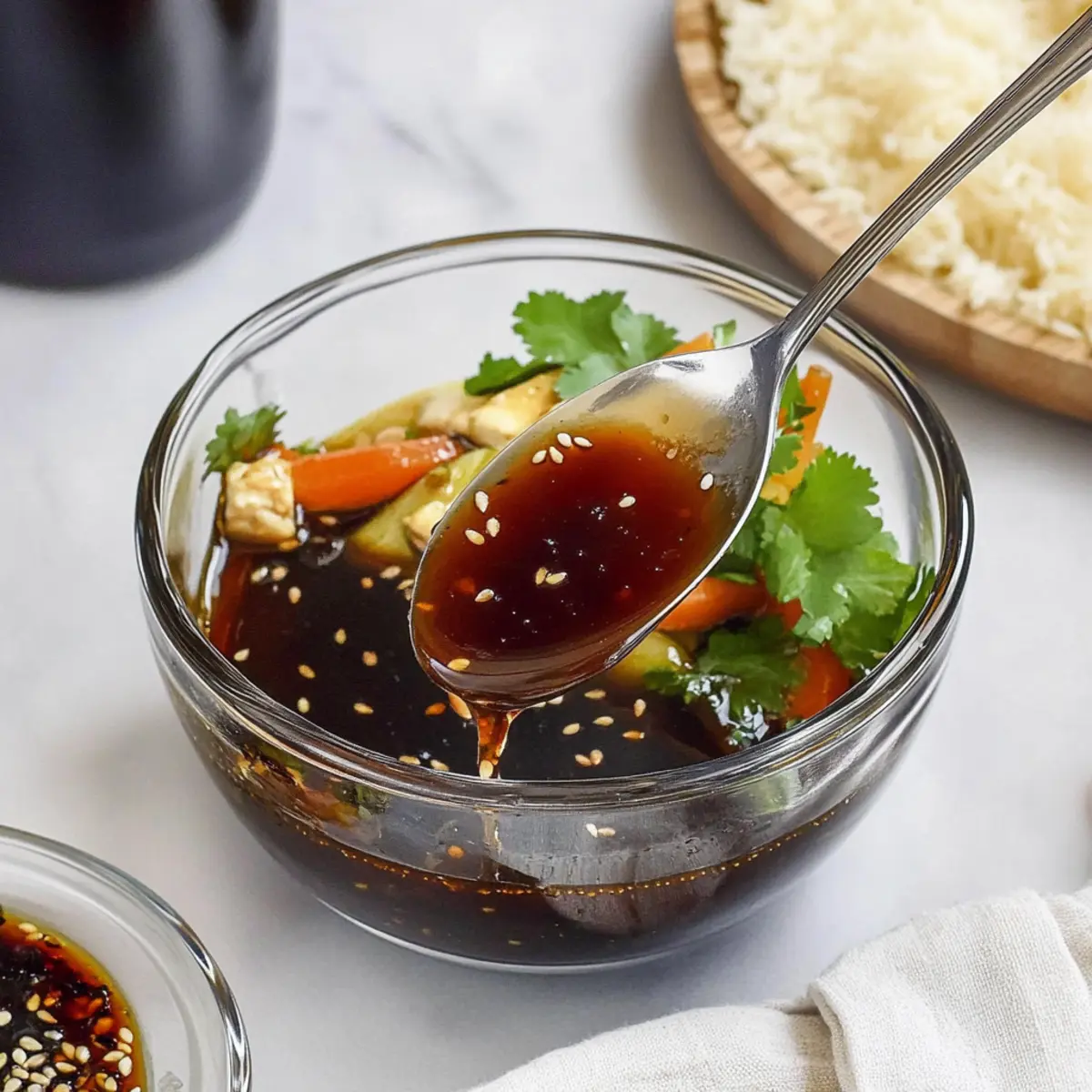
Why Choose Homemade Gluten-Free Teriyaki Sauce?
Quick Preparation: In just 13 minutes, you can whip up this flavorful sauce, perfect for those busy weeknight dinners.
Rich Umami Flavor: The combination of low-sodium tamari and maple syrup delivers that authentic teriyaki taste without the gluten.
Versatile Use: Great for stir-fries, marinades, or drizzling over grilled proteins, it easily complements your favorite meals.
Health Conscious: Adapting this recipe for a paleo diet is a breeze—just swap in coconut aminos and arrowroot!
No Preservatives: Enjoy the freshness of homemade sauce, steering clear of unnecessary additives found in store-bought options.
Imagine drizzling this sauce over some delicious stir-fried vegetables or your favorite protein, just like in my Garlic Sauce Potatoes!
Homemade Gluten-Free Teriyaki Sauce Ingredients
For the Sauce
• Low-sodium gluten-free tamari or coconut aminos – Provides the savory umami flavor characteristic of teriyaki sauce. Substitution: Use low-sodium soy sauce if not adhering to gluten-free diets.
• Water – Balances the concentration and saltiness of the sauce. Prep Note: Adjust quantity for desired thickness.
• Maple syrup – Adds sweetness to the sauce. Substitution: Brown sugar can be used as an alternative.
• Rice vinegar – Contributes acidity for balance. Substitution: White vinegar can be used if rice vinegar is unavailable.
• Minced fresh ginger – Adds a fresh, spicy note. Note: Adjust quantity to taste for intensity.
• Garlic (1 clove) – Enhances flavor complexity. Note: Can be omitted for sensitivity to garlic.
• Black pepper (1/4-1/2 tsp) – Provides mild heat. Note: Adjust based on preference for spice.
• Sesame oil (1/4 tsp) – Adds a nutty flavor. Note: Optional, for added depth.
• Cornstarch (1 1/2 tbsp) – Thickens the sauce. Substitution: Arrowroot can be used for a paleo version.
• Water (for slurry, 1 1/2 tbsp) – Combines with cornstarch for a thickening agent.
Unleash the magic of this homemade gluten-free teriyaki sauce to elevate your meals!
Step‑by‑Step Instructions for Homemade Gluten-Free Teriyaki Sauce
Step 1: Combine Ingredients
In a small saucepan, add 1/2 cup of low-sodium gluten-free tamari and 1/4 cup of water. Then incorporate 1/4 cup of maple syrup, 2 tablespoons of rice vinegar, 1 tablespoon of minced ginger, 1 clove of minced garlic, 1/4 teaspoon of black pepper, and 1/4 teaspoon of sesame oil. Whisk everything together over medium heat, allowing the mixture to start warming up, which will take about 2-3 minutes.
Step 2: Make Slurry
While the sauce simmers, prepare the thickening agent. In a separate small bowl, combine 1 ½ tablespoons of cornstarch with 1 ½ tablespoons of water. Whisk thoroughly until you have a smooth slurry, ensuring there are no lumps. This will help give your homemade gluten-free teriyaki sauce that desirable glossy, thick texture.
Step 3: Thicken Sauce
Slowly pour the cornstarch slurry into the saucepan while stirring continuously. Increase the heat slightly to bring the mixture to a gentle boil, keeping a close eye on it. Cook for about 1-2 minutes until the sauce visibly thickens and coats the back of a spoon. You’ll notice it becoming glossy and rich, the perfect consistency for a teriyaki sauce!
Step 4: Finish
Once thickened, remove the saucepan from heat and optionally stir in a sprinkle of sesame seeds for added crunch and flavor. Let the sauce cool slightly before using it over your favorite stir-fried vegetables or grilled proteins. Alternatively, you can cool it completely and store it in an airtight container in the fridge for up to a week. Enjoy the delightful taste of your homemade gluten-free teriyaki sauce!
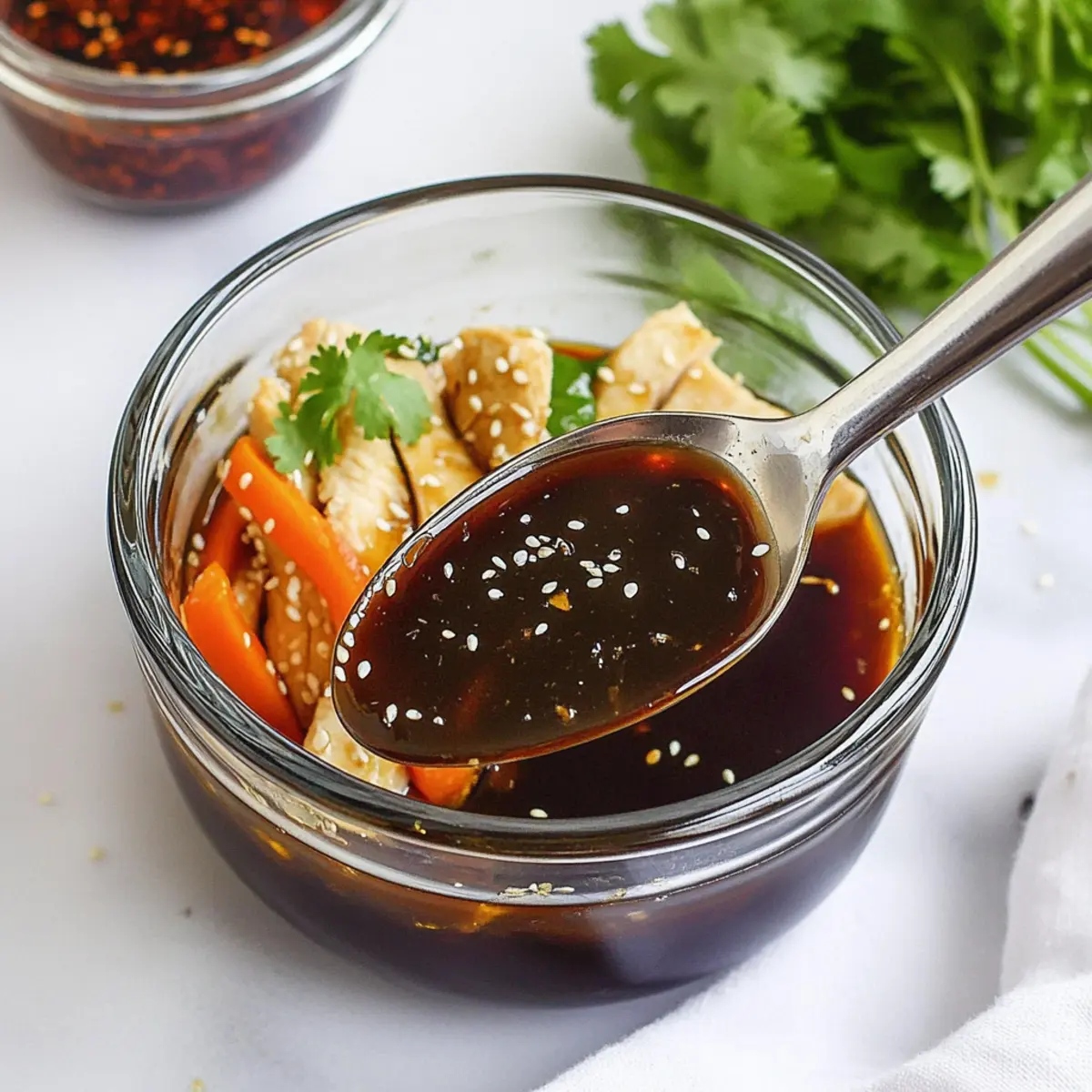
Storage Tips for Homemade Gluten-Free Teriyaki Sauce
Fridge: Store your homemade gluten-free teriyaki sauce in an airtight container in the refrigerator for up to 1 week. Make sure it’s completely cool before sealing to prevent condensation.
Freezer: If you want to keep it longer, you can freeze this sauce in ice cube trays. Once frozen, transfer the cubes to a freezer bag, and it will last up to 3 months.
Reheating: When ready to use, thaw in the refrigerator overnight or microwave each portion for a quick reheating. If the sauce has thickened, add a splash of water while reheating to achieve your desired consistency.
Shelf Life: For the best flavor, use the sauce fresh, but properly stored, it will still maintain its goodness for a week in the fridge.
Homemade Gluten-Free Teriyaki Sauce Variations
Feel free to customize this homemade gluten-free teriyaki sauce to suit your taste and dietary preferences. Your culinary creativity is about to shine!
- Honey Substitution: Swap maple syrup for honey for a slightly different sweetness profile that adds depth.
- Five-Spice Boost: Replace ginger with five-spice powder for an aromatic twist that captures an exciting flavor.
- Citrus Zing: Add a splash of orange or lime juice to brighten your sauce and infuse it with a refreshing zest.
- Miso Flavor: Blend in a tablespoon of miso paste for a darker, richer umami flavor that wonderfully enhances the sauce.
- Paleo Style: Opt for coconut aminos instead of tamari and arrowroot instead of cornstarch to make your sauce fully paleo-friendly.
- Garlic-Free Version: Omit the garlic for those who prefer a milder flavor, allowing the other ingredients to shine through.
- Extra Heat: Stir in a pinch of red pepper flakes or a dash of sriracha for those who crave a spicy kick, balancing out the sweetness.
With these variations, your homemade gluten-free teriyaki sauce can be tailored to every meal. Whether drizzled over grilled salmon or tossed in a hearty stir-fry, it brings an authentic flair. Experiment away, and don’t forget to pair it with some of my favorites like Pork Tenderloin Sauce when looking for delightful combinations!
Expert Tips for Homemade Gluten-Free Teriyaki Sauce
• Use Quality Tamari: Select a high-quality low-sodium gluten-free tamari for a richer umami flavor, avoiding overly salty sauces that can overpower your dish.
• Adjust Sweetness: If you prefer a sweeter sauce, add more maple syrup. Start with a teaspoon and taste as you go to achieve your perfect balance!
• Thickening Consistency: Be cautious not to over-thicken the sauce; if it becomes too thick, add a splash of water while reheating to restore that delightful pour.
• Spice It Up: For an extra kick, consider adding a pinch of red pepper flakes or a dash of sriracha to your homemade gluten-free teriyaki sauce.
• Storage Tips: To extend shelf life, store your sauce in an airtight container. It’s best used fresh, but it can last up to a week in the fridge!
Embrace these tips to elevate your homemade gluten-free teriyaki sauce experience!
What to Serve with Homemade Gluten-Free Teriyaki Sauce
Elevate your meal experience with delightful sides that complement the rich flavors of this homemade sauce perfectly.
-
Steamed Jasmine Rice: The light, fluffy texture of jasmine rice soaks up the sweet and savory teriyaki sauce, creating a delightful harmony.
-
Sautéed Broccoli: Tender, vibrant broccoli adds a crisp bite and a pop of color, balancing the saucy richness with its earthy taste.
-
Grilled Chicken Skewers: Juicy chicken infused with smoky flavors pairs beautifully with the teriyaki sauce, enhancing every bite with its umami notes.
-
Quinoa Salad: A bed of fluffy quinoa tossed with crisp vegetables provides a nutritious and hearty foundation for a drizzle of teriyaki sauce, merging flavors seamlessly.
-
Roasted Sweet Potatoes: The natural sweetness of caramelized sweet potatoes creates a perfect contrast with the sauce, appealing to both taste and texture.
-
Miso Soup: This light yet nourishing soup adds a warm contrast to the dish, enriching the meal with comforting depth.
-
Mango Avocado Salad: A fresh salad featuring creamy avocado and juicy mango offers a vibrant contrast that brightens the flavors, perfect for a summer dish.
-
Asparagus with Garlic: The delicate crunch of garlic sautéed asparagus sings alongside teriyaki sauce, promising a winning flavor combination that delights the palate.
-
Sake or Green Tea: Pair with a glass of chilled sake or warm green tea to enhance the dining experience, allowing the meal’s flavors to shine.
Make Ahead Options
These Homemade Gluten-Free Teriyaki Sauce is perfect for meal prep enthusiasts! You can make the sauce up to 1 week in advance, storing it in an airtight container in the refrigerator. To maintain quality, allow the sauce to cool completely before sealing; this prevents condensation that could lead to separation. If you’re short on time, consider preparing the ingredients—like measuring out the tamari, water, and spices—up to 24 hours before cooking. When you’re ready to serve, simply reheat the sauce on the stove, adding a splash of water if it has thickened too much. With these prep steps, you’ll enjoy delicious, homemade teriyaki sauce ready at a moment’s notice!
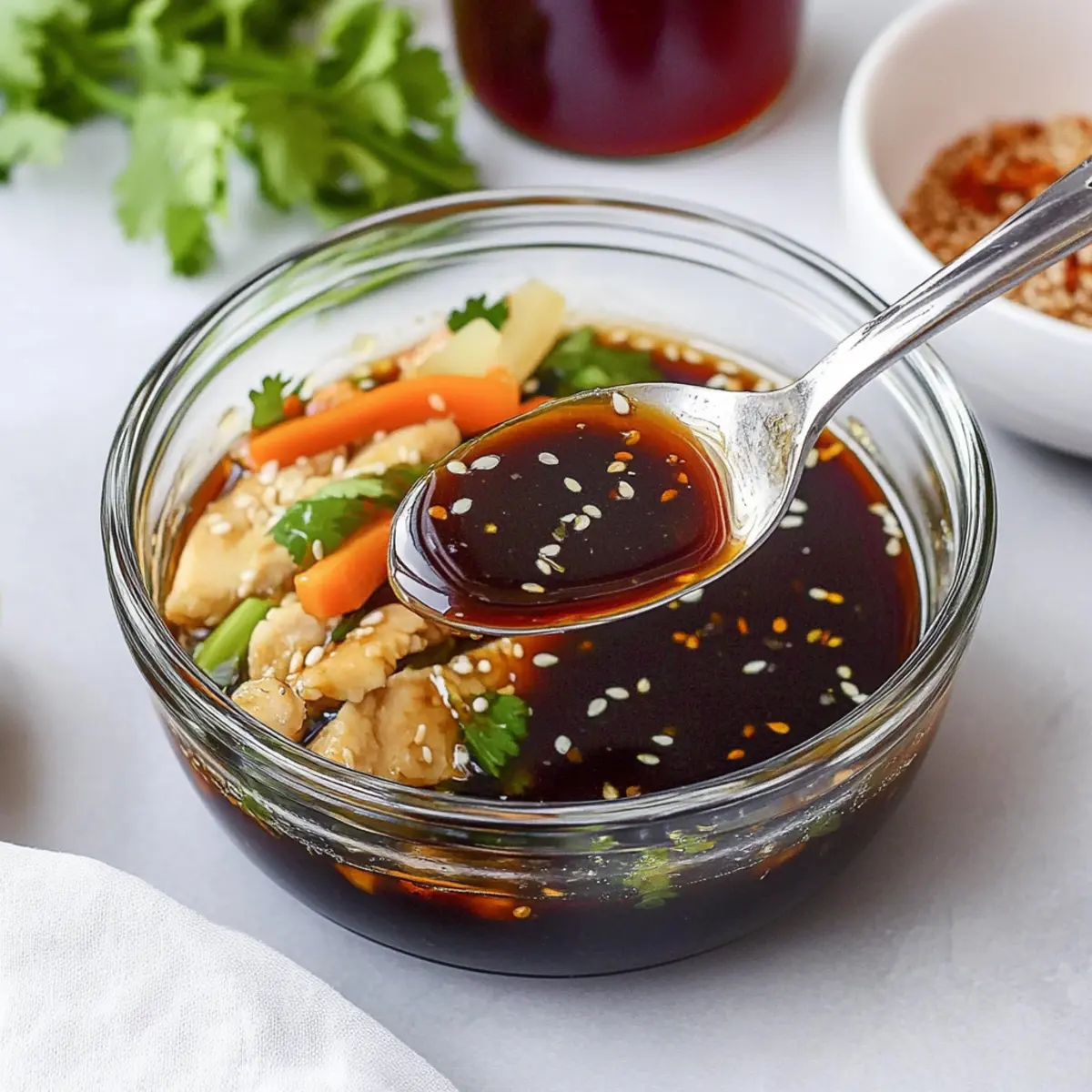
Homemade Gluten-Free Teriyaki Sauce Recipe FAQs
What kind of tamari is best for this recipe?
Absolutely! For the best flavor, choose a high-quality low-sodium gluten-free tamari. This ensures that you get a rich umami taste without it being overly salty, which can overwhelm your dish. You could also use coconut aminos if you’re aiming for a paleo-friendly option.
How should I store any leftover teriyaki sauce?
Store your homemade gluten-free teriyaki sauce in an airtight container in the refrigerator for up to 1 week. It’s important to let the sauce cool completely before sealing the container to prevent condensation, which could lead to spoilage. You can simply reheat it with a splash of water to restore its original consistency.
Can I freeze the teriyaki sauce?
Yes, you can! To freeze your homemade gluten-free teriyaki sauce, pour it into ice cube trays and freeze until solid. Once frozen, transfer the cubes to a freezer-safe bag or container, and it will keep well for up to 3 months. When you’re ready to use it, just thaw the amount you need in the refrigerator overnight or microwave, adding a splash of water if needed.
What if my sauce turns out too thick?
Oh, no worries! If your teriyaki sauce becomes too thick during storage, simply add a little water while reheating. Stir continuously until it reaches your desired consistency. This will help restore its lovely glossy texture, ensuring that it clings perfectly to your stir-fries and marinades.
Is this teriyaki sauce safe for allergies?
Yes! This homemade gluten-free teriyaki sauce is safe for those with gluten sensitivities, especially when using certified gluten-free tamari or coconut aminos. However, be mindful of individual ingredient allergies, such as garlic, which can be omitted if needed. Always check labels if you’re using store-bought ingredients to ensure they meet dietary restrictions.
How do I know if my ingredients are fresh?
When selecting your ingredients, look for tamari or coconut aminos that do not have an overly salty or off-putting smell. For ginger, it should be firm and juicy without any dark spots. If you spot dark spots or a mushy texture on garlic, avoid using it as it may affect the flavor quality of your sauce. Fresh ingredients really make a difference!
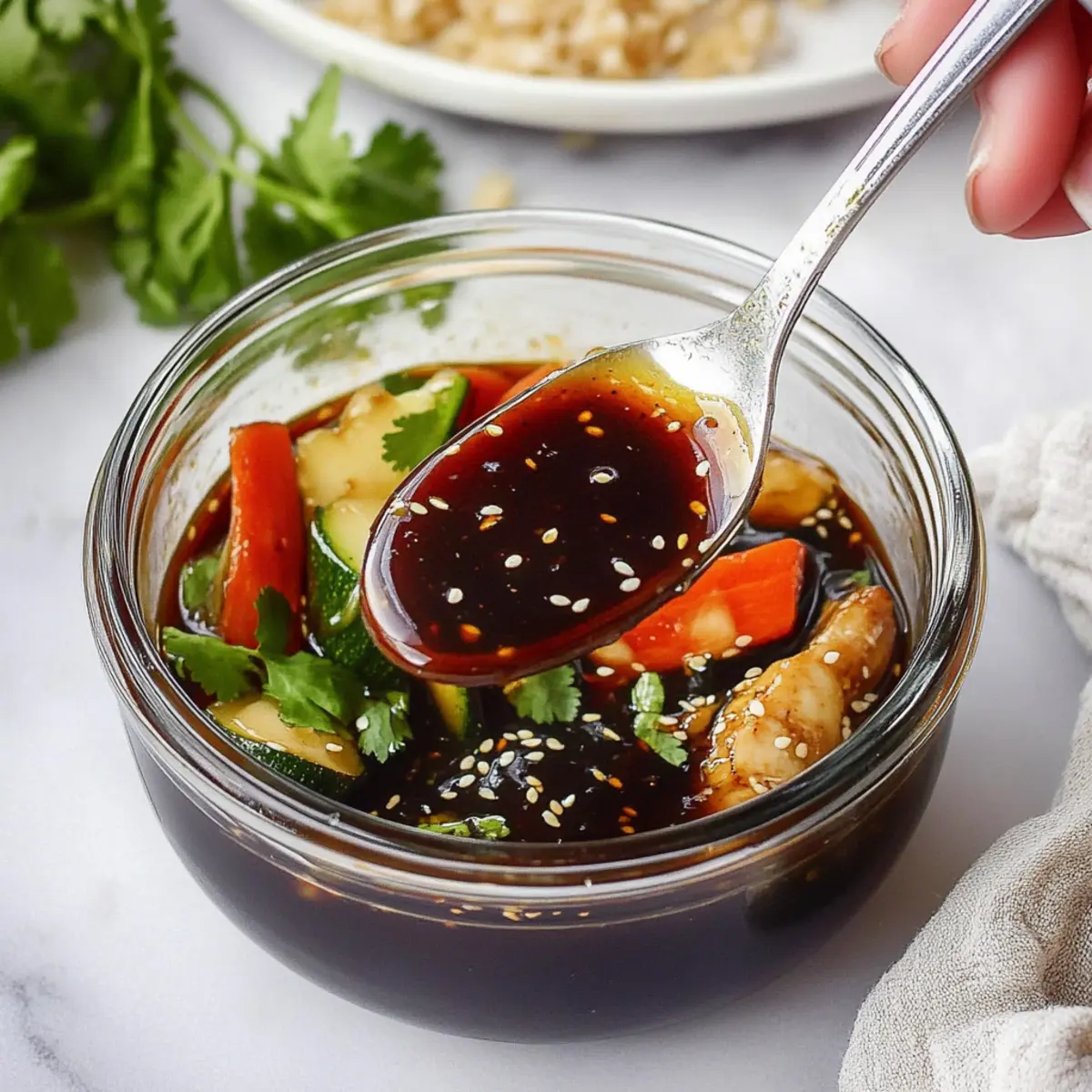
Homemade Gluten-Free Teriyaki Sauce for Quick Flavor Boost
Ingredients
Equipment
Method
- In a small saucepan, add 1/2 cup of low-sodium gluten-free tamari and 1/4 cup of water. Then incorporate 1/4 cup of maple syrup, 2 tablespoons of rice vinegar, 1 tablespoon of minced ginger, 1 clove of minced garlic, 1/4 teaspoon of black pepper, and 1/4 teaspoon of sesame oil. Whisk everything together over medium heat, allowing the mixture to start warming up, which will take about 2-3 minutes.
- While the sauce simmers, prepare the thickening agent. In a separate small bowl, combine 1 ½ tablespoons of cornstarch with 1 ½ tablespoons of water. Whisk thoroughly until you have a smooth slurry, ensuring there are no lumps. This will help give your homemade gluten-free teriyaki sauce that desirable glossy, thick texture.
- Slowly pour the cornstarch slurry into the saucepan while stirring continuously. Increase the heat slightly to bring the mixture to a gentle boil, keeping a close eye on it. Cook for about 1-2 minutes until the sauce visibly thickens and coats the back of a spoon.
- Once thickened, remove the saucepan from heat and optionally stir in a sprinkle of sesame seeds for added crunch and flavor. Let the sauce cool slightly before using it over your favorite stir-fried vegetables or grilled proteins.
Leave a Reply