
As I stood in my kitchen, a wave of nostalgia washed over me. The memories of my grandmother carefully crafting her secret sauce danced in my mind, inspiring me to recreate a beloved classic: Homemade Worcestershire Sauce. This umami-rich condiment captures the traditional flavor profile while allowing for a personal touch with readily available pantry staples. It’s the perfect DIY project for anyone looking to elevate their dishes and impress guests with a taste that’s truly homemade. Not only does this recipe provide a delicious condiment that can enhance everything from marinades to dips, but it also allows for countless adaptations—especially for those of us leaning towards vegan options. Ready to unlock the secrets of flavor and save yourself from store-bought bottles? Let’s dive in!
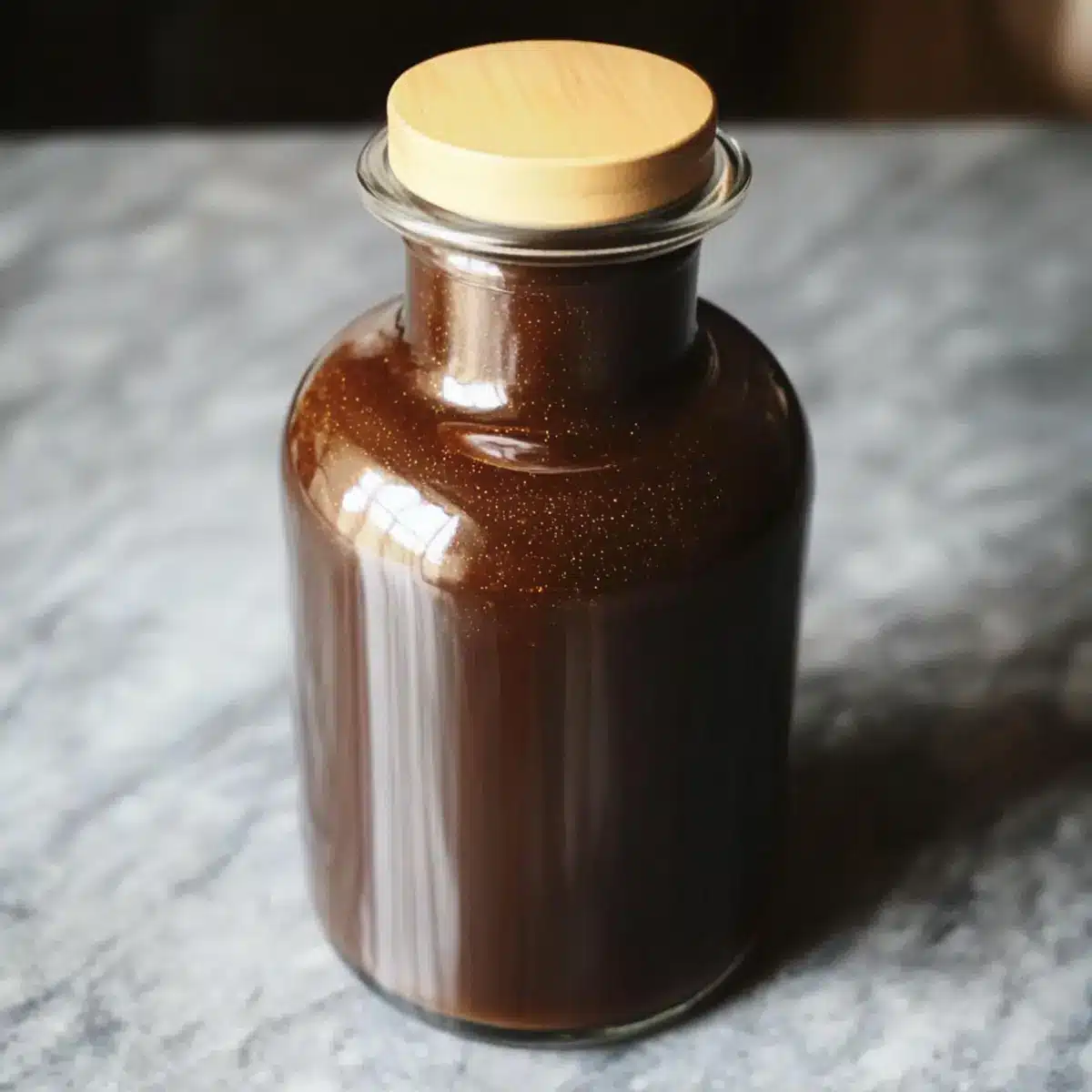
Why Make Homemade Worcestershire Sauce?
Unique Flavor Profile: This recipe boasts a deep umami richness that elevates any dish.
Customizable Options: Easily adapt it for vegan diets by substituting anchovies with soy sauce.
Versatile Uses: Perfect for marinades, dips, and even enhancing soups.
Feel the Nostalgia: Bringing back memories of cherished family recipes in every drop.
Healthier Choice: No preservatives, just wholesome ingredients from your pantry!
Dive into your culinary creativity and explore more delightful flavors, like pairing your sauce with my Garlic Sauce Potatoes for a comforting side!
Homemade Worcestershire Sauce Ingredients
• Unlock the flavors with these essentials!
-
Raisins: Natural sweetness and depth.
Substitution: Dried figs or prunes can be used for sugar content. -
Boiling Water: Softens raisins for easier blending.
No substitution necessary. -
Un-sulfured Molasses: Adds rich color and flavor complexity.
Substitution: Blackstrap molasses for a deeper flavor or honey for sweetness (note this changes the flavor). -
Tamarind Paste: Provides tangy flavor and thickness.
Substitution: Soy sauce could be used in a pinch, but will change flavor profile. -
Anchovies: Key ingredient for umami depth.
Substitution: Vegan option includes soy sauce or miso paste (note that flavor will differ). -
Onion: Contributes to overall flavor and aroma.
Substitution: Shallots or leeks can be used for a milder flavor. -
Fresh Ginger: Adds warmth and a slight spice.
Substitution: Ground ginger (1 tsp) could replace fresh. -
Garlic Cloves: Enhance savory aroma and flavor.
Substitution: Garlic powder (1 tsp) for ease. -
White Vinegar: Preserves flavors and adds acidity.
Substitution: Apple cider vinegar for a different tang. -
Cardamom Pods: Adds a warm, aromatic flavor.
Substitution: Ground cardamom (1/2 tsp) can be used. -
Kosher or Canning Salt: Essential for preservation and flavor.
Substitution: Sea salt or table salt, but adjust quantities (table salt is finer). -
Brown Sugar or Maple Syrup: Balances acidity with sweetness.
Substitution: Regular cane sugar, though taste may be slightly less complex. -
Crushed Red Pepper Flakes: Provides mild heat.
Substitution: Fresh chili or omitted for non-spicy version. -
Dry Mustard: Adds a tangy flavor base.
No substitution necessary. -
Whole Cloves: Provide a warm, aromatic flavor.
Substitution: Ground cloves (1/4 tsp) can be used. -
Black Peppercorns: Contributes layer of spice to the sauce.
Substitution: Ground black pepper (1/2 tsp) for simplicity. -
Ground Cinnamon: Adds warmth and depth.
Substitution: None recommended; essential for balance.
Step‑by‑Step Instructions for Homemade Worcestershire Sauce
Step 1: Soften the Raisins
Start by pouring 1 cup of boiling water over 1/2 cup of raisins in a heatproof bowl. Let them soak for 15 minutes, allowing the hot water to soften the raisins for easier blending. Once they are plump and tender, drain any excess water, preparing them for blending.
Step 2: Blend the Base
In a food processor, combine the softened raisins, 1/4 cup unsulfured molasses, 2 tablespoons tamarind paste, 2 anchovy fillets, 1 chopped onion, 1 tablespoon grated fresh ginger, 2 minced garlic cloves, and 1/4 cup of white vinegar. Blend the mixture until it becomes a silky smooth paste. This rich base is the heart of your homemade Worcestershire sauce.
Step 3: Cook the Mixture
Transfer the blended mixture into a medium saucepan over medium heat. Add the remaining ingredients: 1/2 cup of white vinegar, 1 teaspoon cardamom pods, 1 teaspoon kosher salt, 2 tablespoons brown sugar, 1/2 teaspoon crushed red pepper flakes, 1 teaspoon dry mustard, 1/4 teaspoon whole cloves, 1/2 teaspoon black peppercorns, and 1/4 teaspoon ground cinnamon. Stir well, bringing the mixture to a gentle boil, then remove from heat.
Step 4: Store the Sauce
Pour the hot sauce mixture into a sterilized 1-quart canning jar, filling it while still warm to help it seal. Secure the lid tightly and store the jar in a cool, dark place to allow the flavors to meld for at least one month. The longer it sits, the better it will taste, so be patient for those delicious flavors of homemade Worcestershire sauce to develop.
Step 5: Final Preparation
Once a month has passed, your homemade Worcestershire sauce is ready for use! Before adding it to your favorite dishes, strain it through a fine mesh sieve to remove any solid bits for a smooth consistency. Store the strained sauce in the refrigerator to maintain its flavor, and let the culinary adventure begin!
Make Ahead Options
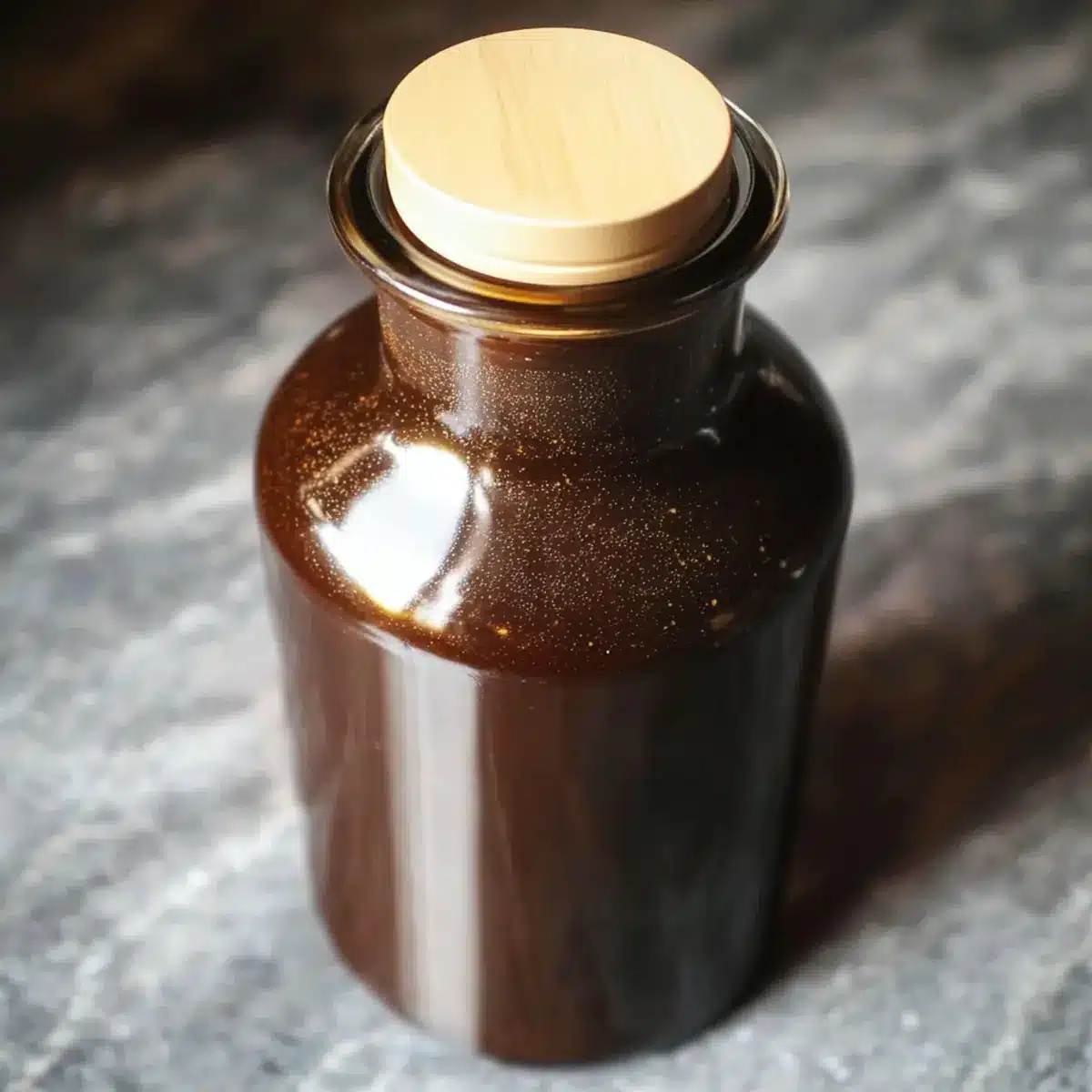
These Homemade Worcestershire Sauce preparations are perfect for busy cooks looking to save time! You can soften the raisins and blend the sauce up to 24 hours ahead. Simply soak ½ cup of raisins in boiling water for 15 minutes, then drain and blend the raisins with the other ingredients. After cooking the mixture, store it in a sterilized canning jar, allowing flavors to meld for a minimum of one month. To maintain the sauce’s quality, keep it sealed in a cool, dark place, and once strained, refrigerate for optimal freshness. That’s it—when you’re ready to use your Homemade Worcestershire Sauce, simply add it to your favorite dishes with no hassle!
Homemade Worcestershire Sauce Variations
Explore delightful twists on this classic homemade condiment to suit your taste!
-
Vegan Swap: Replace anchovies with miso paste or extra soy sauce for a plant-based version that maintains umami richness. It’s a fantastic way to accommodate dietary preferences without losing flavor!
-
Gluten-Free Option: Use tamari instead of soy sauce to keep it gluten-free while enjoying that signature taste. This easy swap makes it accessible for everyone at the dinner table.
-
Sweetener Choices: Try maple syrup or coconut sugar in place of brown sugar for unique flavor profiles. Each alternative brings a different sweetness that may surprise your palate!
-
Spicy Kick: Add fresh chopped chilies or sriracha to the mix for some extra heat. The warmth will complement the sauce’s tanginess, making it a sensational addition to marinades or dipping sauces.
-
Fruity Twist: Incorporate pureed plums or apricots for a slight fruity undertone alongside the savory notes. This variation can transform your Worcestershire sauce into a delightful complement for grilled meats or vegetables.
-
Herb Infusion: Add fresh herbs like thyme or rosemary during the cooking stage for a fragrant herbal twist. Just remember to strain them out to keep your sauce smooth and robust!
-
Smoky Flavor: Include a splash of liquid smoke for a rich, smoky flavor reminiscent of barbecue sauce. Ideal for those smoky dish lovers who crave depth in their condiments.
-
Enhanced Aromatics: Sprinkle in some additional spices, like fennel seeds or coriander, while cooking for an aromatic elevation. The rich scent will draw everyone to your culinary creations!
Ready to elevate your sauces even further? Pair your homemade Worcestershire sauce with my special Pork Tenderloin Sauce or try it on my comforting Garlic Sauce Potatoes for an unforgettable meal experience!
What to Serve with Homemade Worcestershire Sauce
Imagine a delightful spread where your homemade creations shine in perfect harmony, creating a feast that tantalizes the senses.
-
Grilled Meats: The umami depth of Worcestershire sauce enhances the savory essence of grilled steak or chicken, giving it a rich, mouthwatering flavor.
-
Savory Marinades: Combine it with olive oil, garlic, and herbs for a flavorful marinade that transforms vegetables and meats alike, making them irresistible.
-
Roasted Veggies: Drizzle over seasonal vegetables before roasting for a caramelized sweetness and tang that elevates everything from carrots to Brussels sprouts.
-
Creamy Mashed Potatoes: Stir a splash into mashed potatoes for an extra boost of flavor, adding complexity to this comforting side dish.
-
Stews and Soups: Use it as a secret ingredient in hearty stews or soups for a rich, complex backdrop that invites comforting warmth on chilly days.
-
Caesar Salad Dressing: Mix with olive oil, lemon juice, and parmesan for a zesty twist on the classic dressing, bringing life to greens and crisp romaine.
-
Mixed Drinks: Try adding a dash to your Bloody Mary for a savory kick that enhances the drink’s bold flavors – it’s a perfect touch for brunch!
-
Dessert Pairing: For an adventurous twist, experiment with using it in chocolate-based desserts like brownies, where the depth complements and enhances the sweetness.
Expert Tips for Homemade Worcestershire Sauce
-
Patience Pays Off: Allow your sauce to age for at least one month in a cool, dark place. This is crucial for developing the full, rich flavor of your homemade Worcestershire sauce.
-
Sanitize Everything: Ensure all your tools and jars are thoroughly sanitized before use. This helps maintain the quality and flavor of your sauce, preventing contamination.
-
Thick Paste Use: Don’t discard any thick paste that forms during brewing! It can be a flavor enhancer for soups or stews, adding an extra layer of deliciousness to your dishes.
-
Taste and Adjust: After straining, taste your sauce and adjust seasoning if needed, especially after aging. Sometimes a pinch of salt or a dash of vinegar can elevate your homemade Worcestershire sauce beautifully.
-
Experiment with Variations: Feel free to customize the ingredients or substitutions. For instance, try using different sweeteners or spices that cater to your personal flavor preferences!
How to Store and Freeze Homemade Worcestershire Sauce
-
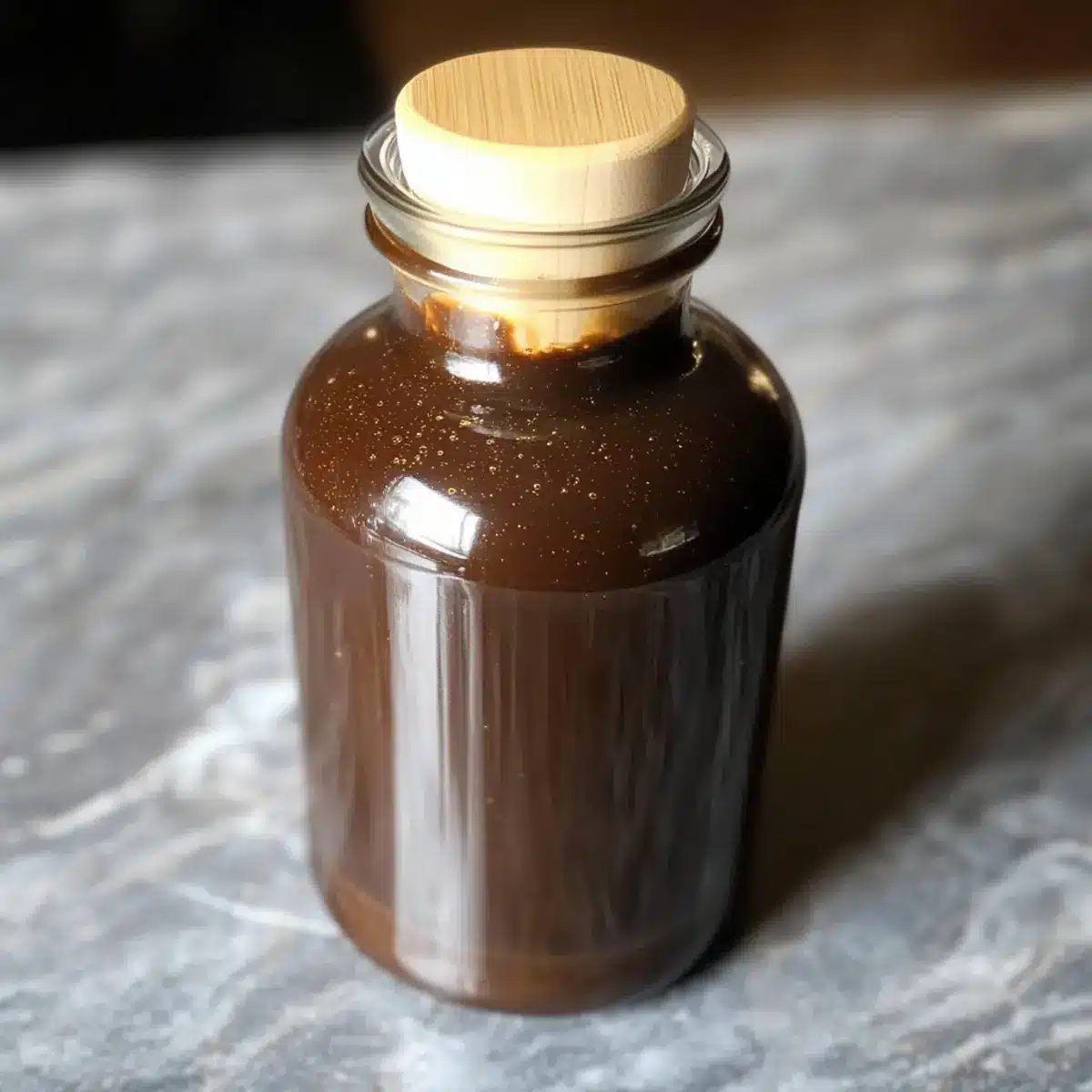
Fridge: Store your homemade Worcestershire sauce in a tightly sealed jar in the refrigerator for up to 6 months. This helps maintain the rich umami flavor achieved in your cooking.
-
Freezer: For longer storage, you can freeze Worcestershire sauce in ice cube trays. Once frozen, transfer the cubes to an airtight container and keep them for up to a year; simply thaw as needed!
-
Room Temperature: Avoid storing the sauce at room temp; it can spoil quicker without refrigeration. Always choose cool, dark places for optimal flavor retention.
-
Reheating: If using frozen sauce, simply thaw overnight in the fridge or place the cube in a saucepan over low heat until warm. This method helps preserve the sauce’s homemade freshness and integrity.
Homemade Worcestershire Sauce Recipe FAQs
What type of raisins should I use for Homemade Worcestershire Sauce?
For this sauce, I recommend using regular raisins as they provide a natural sweetness and depth. If you’re looking for alternatives, dried figs or prunes also work beautifully and can offer a bit of variation in flavor.
How long can I store Homemade Worcestershire Sauce?
You can store your homemade Worcestershire sauce in a tightly sealed jar in the refrigerator for up to 6 months. This will ensure that the rich umami flavor remains intact. Remember to give it a good shake before each use to mix the ingredients well!
Can I freeze Homemade Worcestershire Sauce?
Absolutely! Freezing is a great option to extend the shelf life of your sauce. Pour the sauce into ice cube trays and freeze until solid. Once frozen, transfer the cubes to an airtight container, and you can enjoy them for up to a year. Just thaw as needed for your recipes!
What should I do if my Worcestershire Sauce is too thick after aging?
If you find your sauce has thickened more than desired, don’t worry! Simply add a tablespoon of water or vinegar to the sauce and stir well until it reaches your preferred consistency. This can also enhance the flavors and bring a fresh zing back into every drop!
Is Homemade Worcestershire Sauce allergen-friendly?
Yes, it can be! For a vegan-friendly version, exclude the anchovies and substitute them with soy sauce or miso paste. Additionally, if you require a gluten-free option, ensure to use gluten-free soy sauce, widely available in stores. Always check labels for allergens!
Why is it important to let the sauce age?
Letting your homemade Worcestershire sauce age for at least a month in a cool, dark place allows all the flavors to meld beautifully, resulting in a depth of taste that fresh versions simply won’t have. The patience truly pays off—trust me, it’s worth the wait!
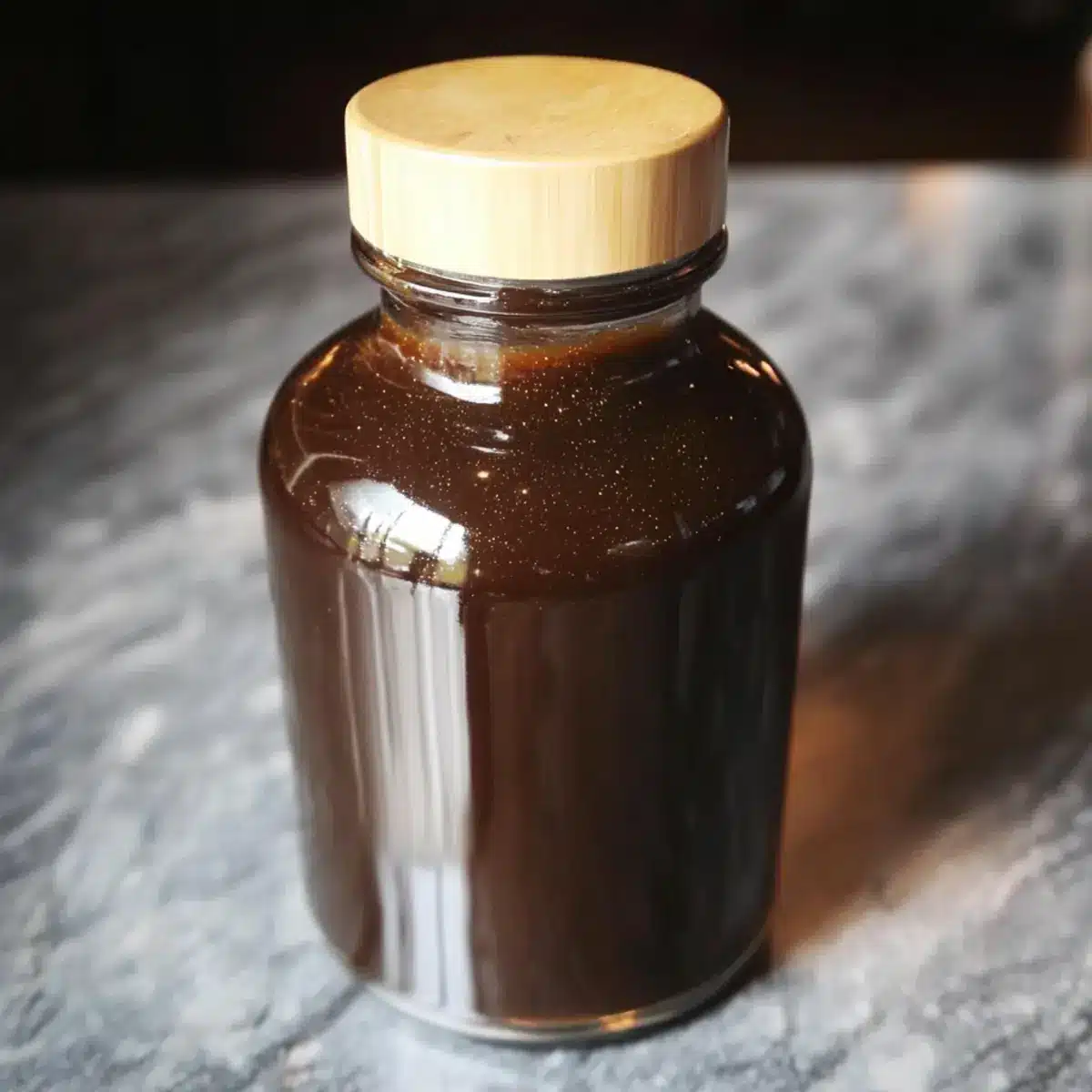
Deliciously Homemade Worcestershire Sauce for Ultimate Flavor
Ingredients
Equipment
Method
- Step 1: Soften the Raisins - Pour 1 cup of boiling water over 1/2 cup of raisins in a heatproof bowl. Let them soak for 15 minutes, then drain excess water.
- Step 2: Blend the Base - In a food processor, combine the softened raisins, 1/4 cup unsulfured molasses, 2 tablespoons tamarind paste, 2 anchovy fillets, 1 chopped onion, 1 tablespoon grated fresh ginger, 2 minced garlic cloves, and 1/4 cup of white vinegar. Blend until smooth.
- Step 3: Cook the Mixture - Transfer the blended mixture into a medium saucepan over medium heat. Add remaining ingredients: 1/2 cup white vinegar, 1 teaspoon cardamom pods, 1 teaspoon kosher salt, 2 tablespoons brown sugar, 1/2 teaspoon crushed red pepper flakes, 1 teaspoon dry mustard, 1/4 teaspoon whole cloves, 1/2 teaspoon black peppercorns, and 1/4 teaspoon ground cinnamon. Stir and bring to a gentle boil, then remove from heat.
- Step 4: Store the Sauce - Pour the hot mixture into a sterilized jar while still warm. Secure the lid and store in a cool, dark place for at least one month.
- Step 5: Final Preparation - After one month, strain the sauce through a fine mesh sieve and store in the refrigerator.
Leave a Reply