
Every time I whip up my Yaki Udon Noodle dish, I’m transported to a bustling Japanese street market, filled with the aroma of savory stir-fries and vibrant flavors. This comforting recipe marries thick, chewy udon noodles with a medley of colorful vegetables and your choice of protein—perfect for those cozy evenings when you crave a home-cooked meal. The best part? It comes together in just 30 minutes, making it a quick weeknight go-to that doesn’t skimp on flavor. Plus, the customizable nature means you can easily swap in chicken, beef, turkey, or even tofu to suit your taste. What’s your favorite protein for this delightful stir-fry?
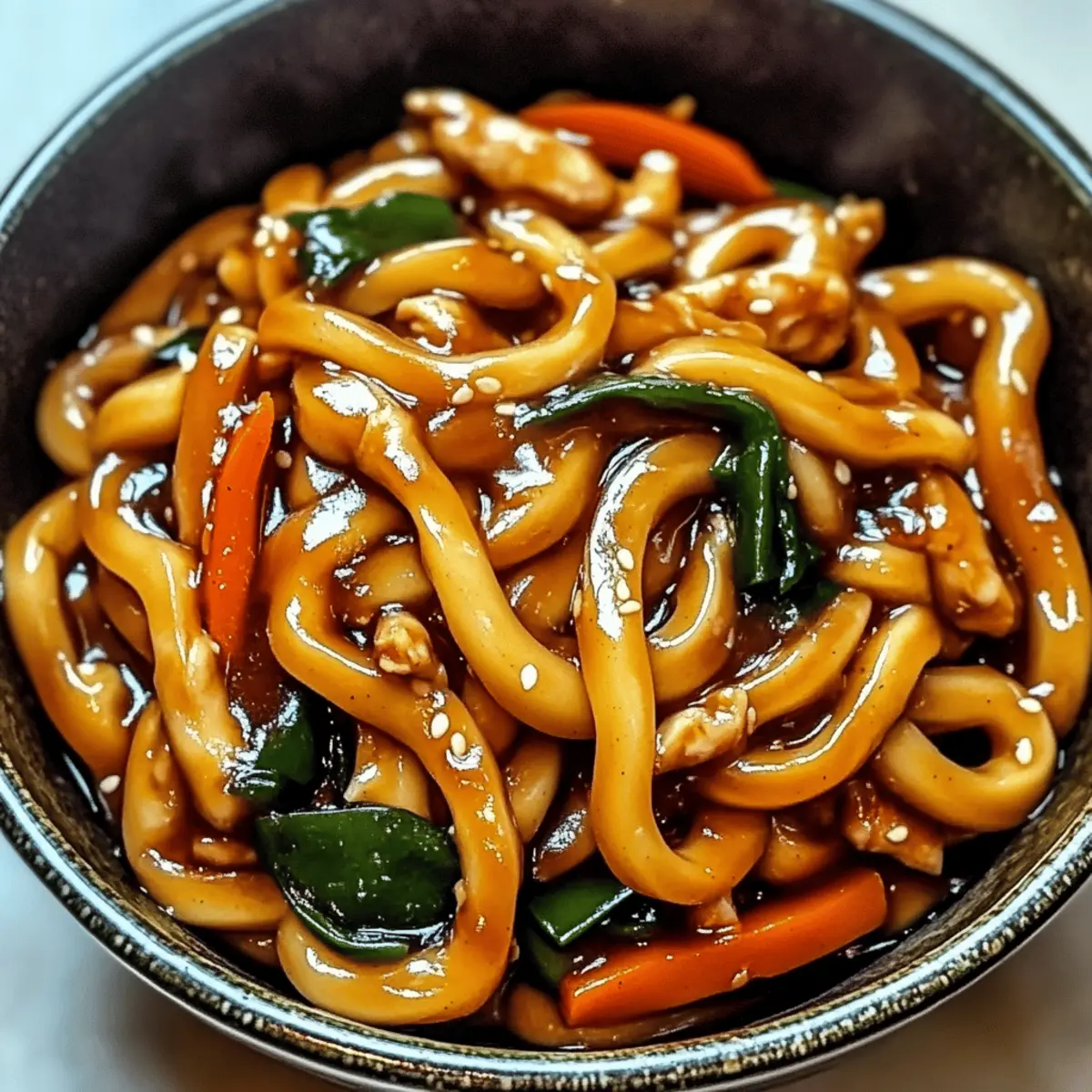
Why Yaki Udon Noodle Recipe?
Comforting, homemade perfection: This Yaki Udon Noodle recipe brings the delightful flavors of Japanese cuisine right to your kitchen, transcending fast-food cravings effortlessly.
Customization: Enjoy the flexibility to choose your protein—chicken, beef, turkey, or tofu—ensuring it caters to every taste and dietary preference.
Quick cooking: With just 30 minutes from start to finish, this dish is a lifesaver for busy weeknights.
Healing and heartwarming: It’s more than a meal; this dish nurtures the soul with its soothing combination of chewy noodles and vibrant veggies.
Crowd-pleaser: Ideal for family dinners or gatherings, it’s a guaranteed hit that even the pickiest eaters will love.
For an extra protein boost, try adding some Teriyaki Ground Beef to your stir-fry for an even heartier dish!
Yaki Udon Noodle Ingredients
For the Noodles
• Udon Noodles – The star of the dish; thick and chewy, perfect for soaking up the savory sauce. Fresh or frozen works beautifully.
For the Protein
• Boneless Chicken Breast – Offers a hearty protein option; try beef, turkey, or tofu as delicious alternatives.
For the Vegetables
• Bell Peppers – Bring a sweet crunch and vivid colors; use a variety for a beautiful presentation.
• Carrots – Add a nutritious crunch; julienne them for best results.
• Green Onions – Provide a fresh, mild onion flavor; finely chop for maximum impact.
For the Flavor
• Soy Sauce – Opt for low-sodium to keep the dish rich without being overly salty.
• Sesame Oil – Adds a delightful, nutty aroma that enhances every bite.
• Vegetable Broth – Imparts depth to the dish; essential for making the noodles extra flavorful.
• Garlic Cloves – Infuse aromatic richness; adjust the quantity to match your taste preference.
Step‑by‑Step Instructions for Yaki Udon Noodle
Step 1: Prepare the Noodles
Begin by cooking the udon noodles according to package instructions, usually about 5-7 minutes for fresh or 8-10 minutes for frozen. Once tender yet chewy, drain them and rinse under cold water to stop the cooking process. Set them aside in a large bowl, ready to soak up all the delicious flavors of your Yaki Udon noodle stir-fry.
Step 2: Sauté the Chicken
In a large skillet over medium-high heat, add 2 tablespoons of sesame oil. Once shimmering, add thinly sliced boneless chicken breast and sauté for 5-7 minutes until it turns golden brown and is thoroughly cooked. The chicken should be juicy and have a nice sear. Remove the chicken from the skillet and place it on a plate, leaving behind the flavorful oil.
Step 3: Stir-Fry Vegetables
Using the same skillet, add a splash more sesame oil if needed and toss in the sliced bell peppers and julienned carrots. Stir-fry for 3-4 minutes, just until the vegetables are vibrant and slightly softened but still retain a crunchy texture. This quick cooking ensures the veggies add both color and nutrition to your Yaki Udon noodle dish.
Step 4: Combine Ingredients
Return the cooked chicken to the skillet, then add the prepared udon noodles. Pour in a few tablespoons of soy sauce and a splash of vegetable broth, tossing everything together gently. Stir-fry for an additional 3-4 minutes, allowing the noodles to absorb the flavor and heat through completely. The combination should be well-coated and aromatic at this point.
Step 5: Add Garlic & Garnish
As the mixture continues to heat, add minced garlic and stir to combine, cooking for an extra minute. Watch for the savory aroma as the garlic becomes fragrant, enhancing the overall flavor profile of the Yaki Udon noodles. Finally, sprinkle in finely chopped green onions, mixing them in just before serving for a fresh, zesty finish.
Step 6: Serve
Carefully plate up the delicious Yaki Udon noodles, ensuring an even distribution of chicken, vegetables, and noodles on each plate. If desired, drizzle with additional soy sauce for extra flavor. Serve warm, and watch as everyone enjoys this comforting, homemade dish that is sure to delight your family or guests.
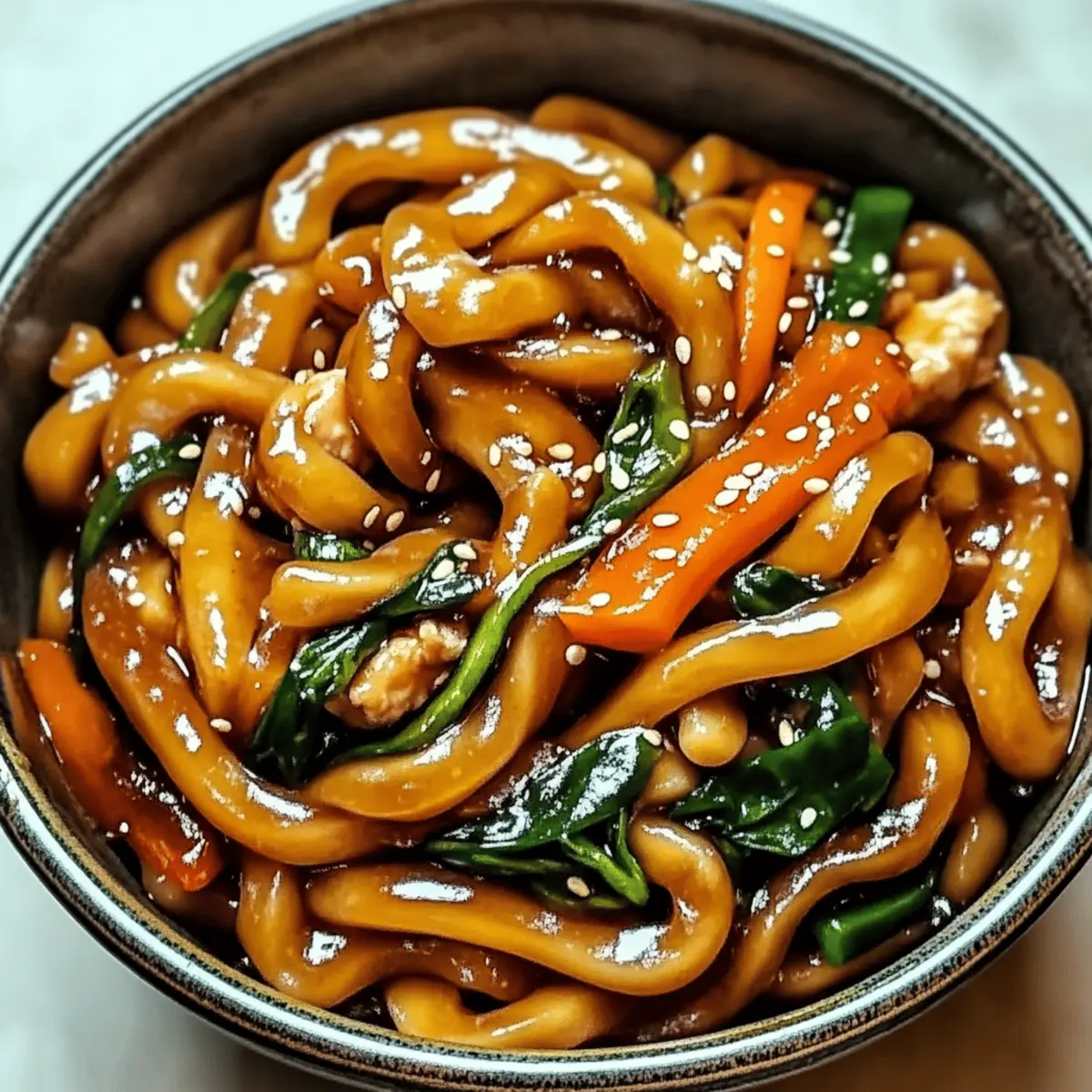
Tips for the Best Yaki Udon Noodle
-
Noodle Texture: Ensure udon noodles are cooked al dente to maintain their chewy texture. Overcooking can lead to mushy noodles that don’t hold up well.
-
High Heat: Use high heat when stir-frying to achieve that delightful, slightly charred flavor. This enhances the overall taste of your Yaki Udon dish.
-
Protein Variations: Don’t hesitate to experiment with different proteins; beef and tofu work excellently too! Just adjust cooking times accordingly for optimal taste and texture.
-
Veggie Magic: Incorporate seasonal vegetables such as bok choy or snap peas for extra crunch and nutrition. Always cut veggies uniformly for even cooking.
-
Finish with Freshness: Add green onions last for a burst of freshness. This garnish not only elevates the flavor but also adds a vibrant pop of color to your Yaki Udon Noodle stir-fry.
Make Ahead Options
Preparing Yaki Udon Noodles ahead of time is perfect for busy weeknights! You can cook the udon noodles and refrigerate them in an airtight container for up to 3 days. Additionally, slice your chicken and veggies (bell peppers and carrots) a day in advance and store them separately to maintain their freshness. When you’re ready to enjoy your meal, simply sauté the chicken in sesame oil, add the prepped vegetables, and toss in the chilled udon noodles along with soy sauce and vegetable broth. This method saves you time and ensures every bite remains just as delicious as when freshly made!
What to Serve with Irresistible Yaki Udon Noodle Stir-Fry?
Create a delightful dining experience by complementing your Yaki Udon Noodle with sides that add variety and balance to the meal.
-
Crispy Vegetable Spring Rolls: These bite-sized delights offer a crispy exterior and fresh veggies inside, enhancing the contrast with the chewy udon noodles.
-
Steamed Edamame: A healthy and protein-packed accompaniment, these lightly salted green soybeans bring a simple yet satisfying touch to your meal.
-
Sweet Teriyaki Chicken Skewers: The sweet and savory notes of teriyaki chicken elevate your Yaki Udon with an extra layer of flavor while providing delicious protein.
-
Miso Soup: This warm, umami-rich broth pairs beautifully, cleansing the palate and preparing your taste buds for the savory yumminess of udon noodles.
-
Japanese Pickles (Tsukemono): Their tangy crunch offers a delightful contrast to the chewy noodles, adding brightness that balances the meal.
-
Green Tea: The earthy notes of this refreshing beverage are the perfect match, aiding digestion while enhancing your dining experience with a calming twist.
Storage Tips for Yaki Udon Noodle
Fridge: Store leftover Yaki Udon noodles in an airtight container for up to 3 days. This helps maintain their texture and flavor while preventing spoilage.
Freezer: For longer storage, freeze Yaki Udon noodles in a freezer-safe container for up to 2 months. Portion the noodles and sauce separately for easy reheating later.
Reheating: Reheat in the microwave or on the stovetop, adding a splash of vegetable broth or water to restore moisture. Stir-fry quickly to revive the flavors and texture.
Yaki Udon Noodle Variations & Substitutions
Feel free to play around with this Yaki Udon Noodle Recipe to make it your own, adding flavors and textures that excite your palate!
-
Protein Swap: Choose your favorite protein! Substitute chicken with beef, turkey, or tofu for a different twist.
-
Vegetable Medley: Add seasonal vegetables like bok choy or zucchini; they bring freshness and vibrant color to your dish.
-
Spice it Up: For a kick, throw in some sliced jalapeños or a dash of sriracha to awaken your taste buds.
-
Umami Boost: Incorporate mushrooms like shiitake or portobello; their earthy flavor complements the rich sauce beautifully.
-
Gluten-Free Version: Use rice noodles instead of udon. They provide a lighter alternative while still being delicious.
-
Nutty Addition: Drizzle some toasted sesame oil before serving for an extra depth of flavor and aroma.
-
Crispy Topping: Sprinkle some crushed peanuts or sesame seeds on top for added crunch that delights every bite!
Don’t forget to check out my Teriyaki Ground Beef for another fun and easy meal option!
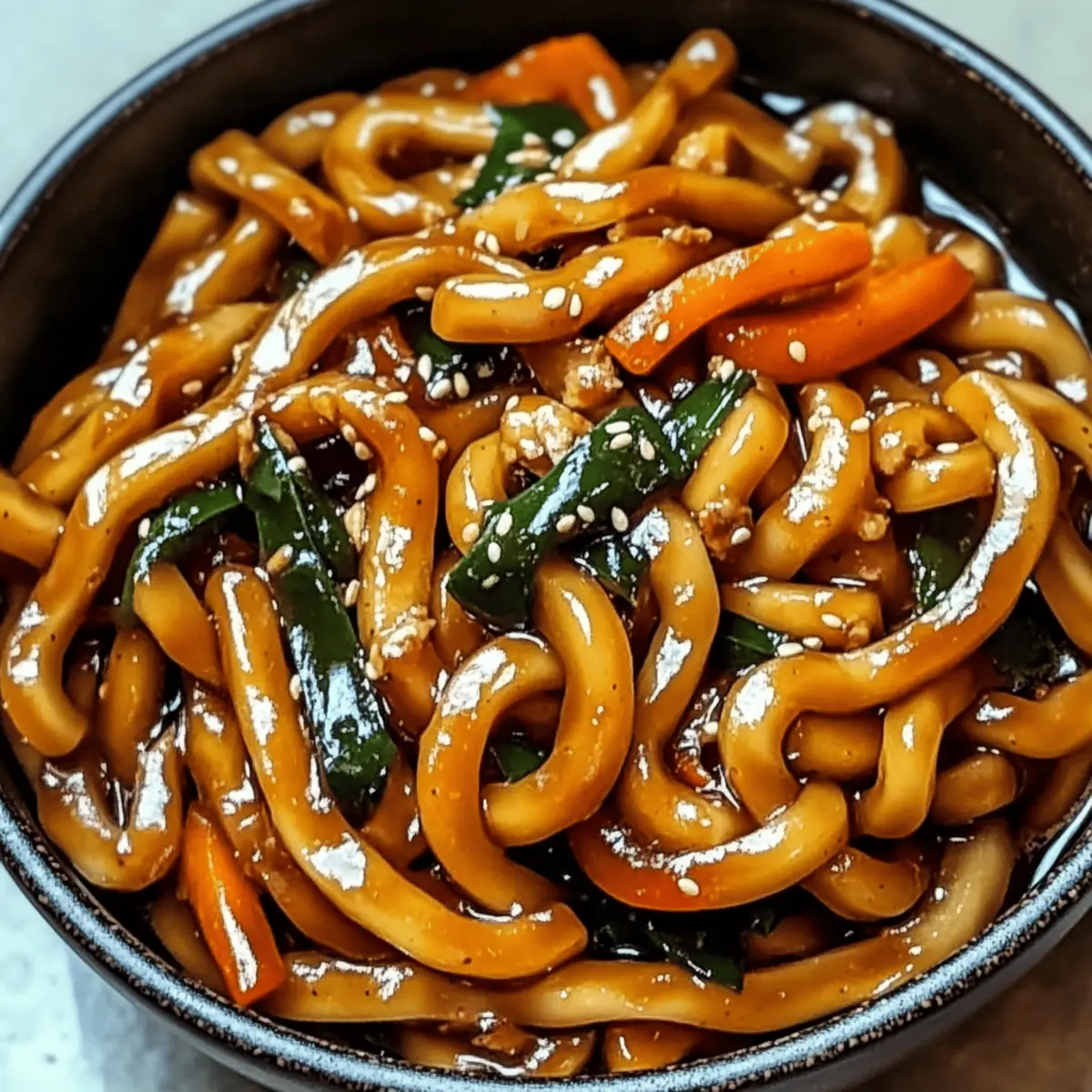
Yaki Udon Noodle Recipe FAQs
How do I select the best udon noodles?
Absolutely! When choosing udon noodles, look for fresh or frozen ones without any dark spots or damage. The texture should be firm and chewy. I recommend checking the packaging for cooking times that fit your preferences, as freshly made udon often offers superior taste and texture.
How should I store leftover Yaki Udon Noodles?
To store leftovers, cool the noodles completely before placing them in an airtight container. These can be kept in the fridge for up to 3 days. If you need to reheat, do so gently on the stovetop with a splash of water or broth to revive their original texture and avoid dryness.
Can I freeze Yaki Udon Noodles?
Very much! You can freeze your cooked Yaki Udon Noodles in a freezer-safe container for up to 3 months. To freeze, make sure the noodles are cooled completely. When you’re ready to enjoy, thaw them overnight in the fridge and reheat in a skillet with a bit of broth for optimal texture.
What if my noodles become mushy during cooking?
To avoid mushy noodles, make sure to monitor the cooking time closely according to the package instructions. Cook udon noodles just until tender, usually 3-5 minutes for fresh. If they become overcooked, they’re likely to lose their chewy texture; next time, consider testing them just before the minimum cooking time ends.
Is this recipe suitable for specific diets, like gluten-free?
While traditional udon noodles are made from wheat, you can easily substitute them with gluten-free noodles, such as rice noodles or gluten-free ramen, for those with gluten intolerance. Just ensure that your sauce and other ingredients are also gluten-free if needed. It’s all about staying true to your dietary preferences!
What are some good protein alternatives for Yaki Udon Noodles?
For a tasty protein twist, I often swap out chicken for beef, turkey, or tofu—each brings a unique flavor! If you want to add tofu, cube it and either bake or pan-fry it before adding to your stir-fry for added texture. The more the merrier, so feel free to mix and match!
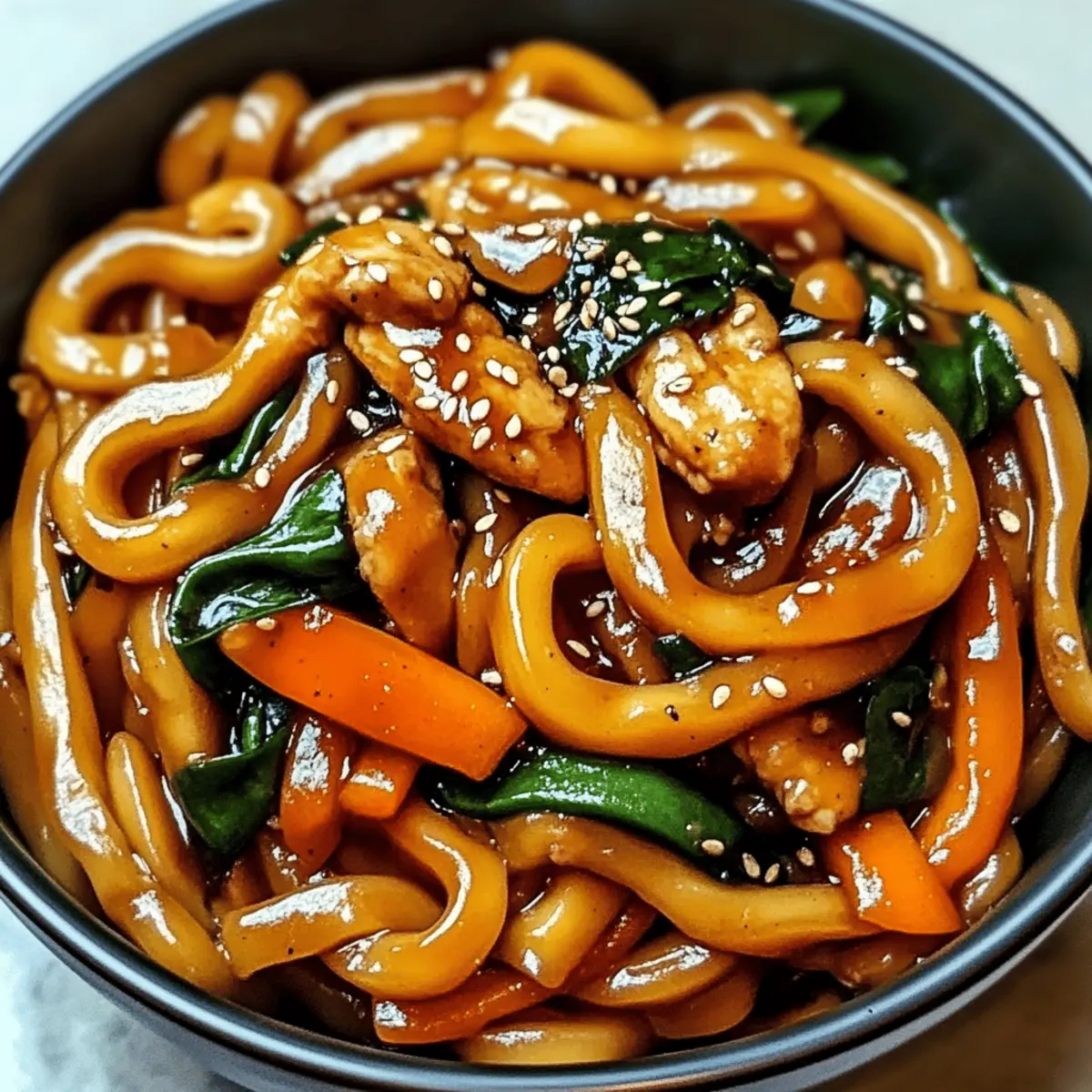
Comforting Yaki Udon Noodle Recipe Ready in 30 Minutes
Ingredients
Equipment
Method
- Boil a large pot of water over high heat. Add the udon noodles and cook according to package instructions for 3-5 minutes. Drain and rinse under cold water.
- In a large skillet, heat 2 tablespoons of sesame oil over medium-high heat. Cook the sliced chicken breast for 5-7 minutes until golden brown. Transfer to a plate to keep warm.
- In the same skillet, stir-fry the bell peppers and carrots for 3-4 minutes until tender yet crisp. Remove and set aside.
- Return the chicken to the skillet along with the cooked udon noodles. Pour in soy sauce and vegetable broth, stirring to combine. Cook for 2-3 minutes until heated through.
- Add minced garlic during the last minute of cooking and stir continuously. Garnish with chopped green onions before serving.
- Serve the Yaki Udon Noodles immediately, with extra soy sauce if desired.
Leave a Reply