
As I stood in the kitchen, the sun streaming through the window, I couldn’t help but feel a wave of excitement wash over me. The vibrant colors of fresh vegetables beckoned, promising a comforting yet healthy side dish to accompany our meal. Enter the Healthy Sautéed Vegetables, a delightful way to showcase seasonal produce in a quick and delicious manner. In just 25 minutes, you can transform simple ingredients into a nutrient-packed medley that brightens any plate. Not only is this recipe a go-to for busy weeknights, but it also allows for endless creativity—perfect for those who want to customize flavors to suit their families’ tastes. Curious about how to elevate your dinner with this colorful dish? Let’s dive into the magic of sautéing!
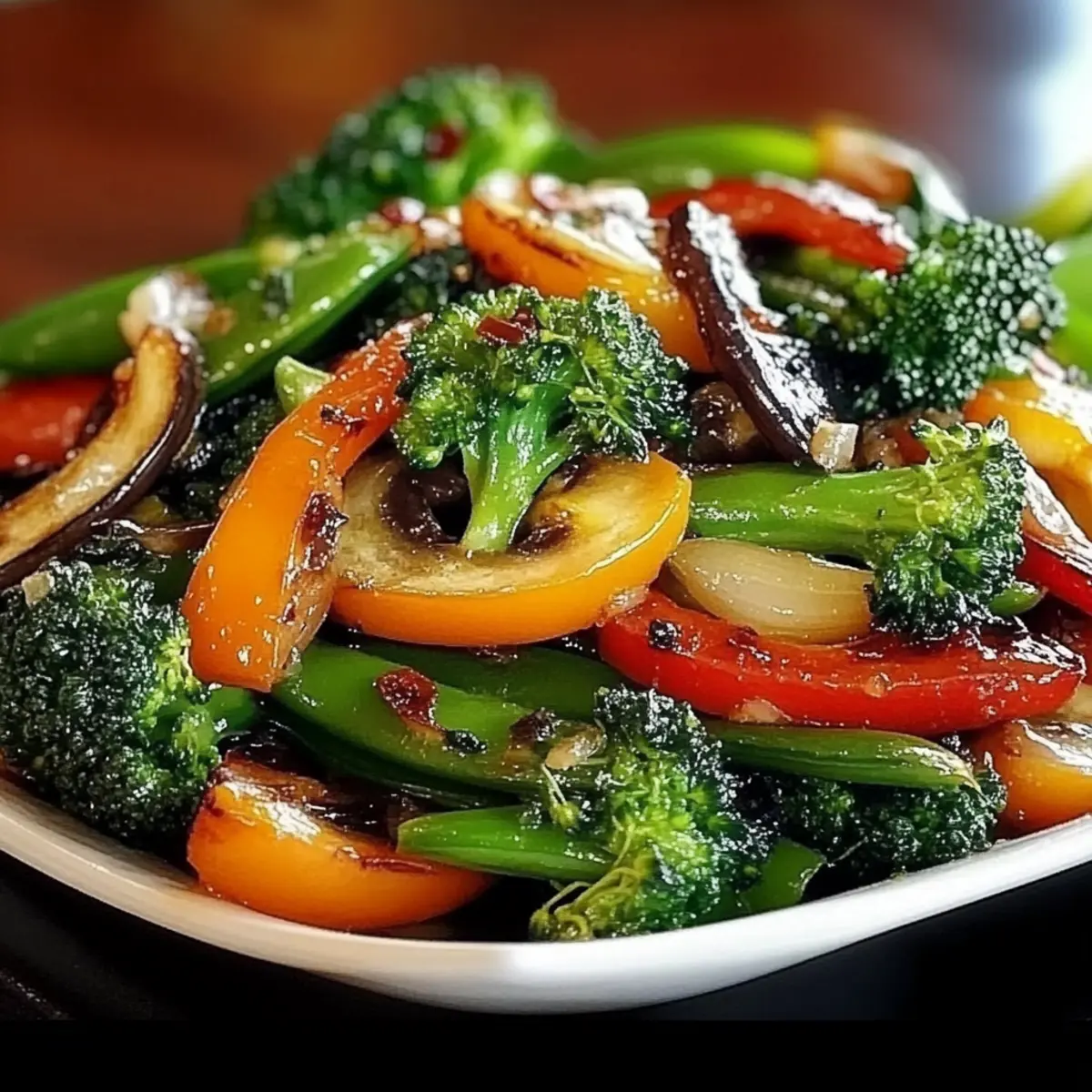
Why choose sautéed vegetables tonight?
Quick Prep: In just 25 minutes, you can whip up this vibrant dish that everyone will love!
Endless Customization: Tailor your sautéed vegetables to your taste with seasonal choices and optional flavorings like balsamic vinegar or fresh herbs.
Health Boost: Packed with vitamins and nutrients, this recipe ensures you enjoy a colorful medley that supports your wellness goals.
Crowd-Pleasing Side: Serve as an accompaniment to grilled proteins or mix into grain bowls for a heartier option. Looking for more quick side dish ideas? Check out our Simple Side Dishes.
Easy Storage: Enjoy leftovers for up to three days, making it perfect for meal prep. Just reheat with a splash of broth for amazing flavor!
Healthy Sautéed Vegetables Ingredients
• Get ready to create magic in your kitchen!
For the Sauté
- Olive Oil – Adds healthy fat and flavor; substitute with avocado oil or butter for a different taste.
- Garlic (2 cloves, minced) – Enhances the dish with rich aroma and taste; fresh is best but jarred is a handy shortcut.
- Onion (1 small, thinly sliced) – Provides sweetness and depth; yellow or red varieties work interchangeably.
For the Veggie Medley
- Bell Pepper (1 medium, sliced) – Adds color and crunch; any color (red, yellow, or green) can be used interchangeably.
- Zucchini (1 medium, sliced) – Contributes moisture and softness; summer squash is a great alternative.
- Broccoli (1 cup, florets) – Offers a hearty texture and nutritional benefits; finely chopped cauliflower is a good substitute.
- Carrot (1 medium, julienned or thinly sliced) – Provides natural sweetness and color; fresh or pre-cut options are available.
- Snap Peas (½ cup) – Adds a crisp texture; green beans can make a nice substitute.
- Mushrooms (½ cup, sliced) – Introduces umami flavor; any variety (cremini, button, shiitake) will work beautifully.
For Seasoning
- Salt & Black Pepper – Essential seasoning to enhance all flavors in your healthy sautéed vegetables.
- Optional Flavorings – Add a splash of lemon juice (1 tsp), balsamic vinegar, or soy sauce (1 tsp) for brightness or depth.
- Optional Toppings – Toasted nuts, seeds, fresh herbs, or grated Parmesan can elevate your dish even further!
With this ingredient lineup, you’re well on your way to creating a delicious and nutritious dish that celebrates the joy of healthy eating!
Step‑by‑Step Instructions for Healthy Sautéed Vegetables
Step 1: Prep Vegetables
Begin by washing all your fresh vegetables to remove any dirt. Peel the carrot if needed, then cut all vegetables—bell pepper, zucchini, broccoli, and onion—into uniform pieces. This ensures even cooking. Mince the garlic and set everything aside in separate bowls, ready to go for your Healthy Sautéed Vegetables.
Step 2: Heat Skillet
Place a large skillet or frying pan over medium-high heat and add two tablespoons of olive oil. Allow the oil to heat for about 1-2 minutes until it shimmers slightly on the surface. This step is essential for achieving a nice sauté and preventing sticking. You’ll know it’s ready when you see a gentle ripple in the oil.
Step 3: Sauté Aromatics
Add the minced garlic and sliced onion to the hot skillet. Sauté for 1-2 minutes, stirring frequently, until the onion becomes translucent and the garlic is fragrant but not browned. This aromatic base will infuse your Healthy Sautéed Vegetables with rich flavor, setting a delicious tone for the dish.
Step 4: Add Hard Vegetables
Introduce the julienned carrots and broccoli florets into the skillet, stirring well. Cook them for about 3-4 minutes, making sure to stir frequently to ensure even cooking. The vegetables should begin to soften, but still maintain a hearty crunch. This step adds texture and nutrition to your Healthy Sautéed Vegetables.
Step 5: Incorporate Remaining Veggies
Now it’s time to add the colorful bell pepper, zucchini, snap peas, and sliced mushrooms to the skillet. Sauté everything together for an additional 4-5 minutes, stirring occasionally. You’re looking for a crisp-tender texture—everything should be vibrant and lightly cooked but still maintain their colors and crunch in your Healthy Sautéed Vegetables.
Step 6: Season & Serve
Once the vegetables are crisp-tender, season them with salt, black pepper, and any other flavorings you desire, such as lemon juice or soy sauce. Toss everything together to ensure the seasonings are evenly distributed. Serve your Healthy Sautéed Vegetables immediately, garnished with your choice of toasted nuts or fresh herbs for an extra flourish.
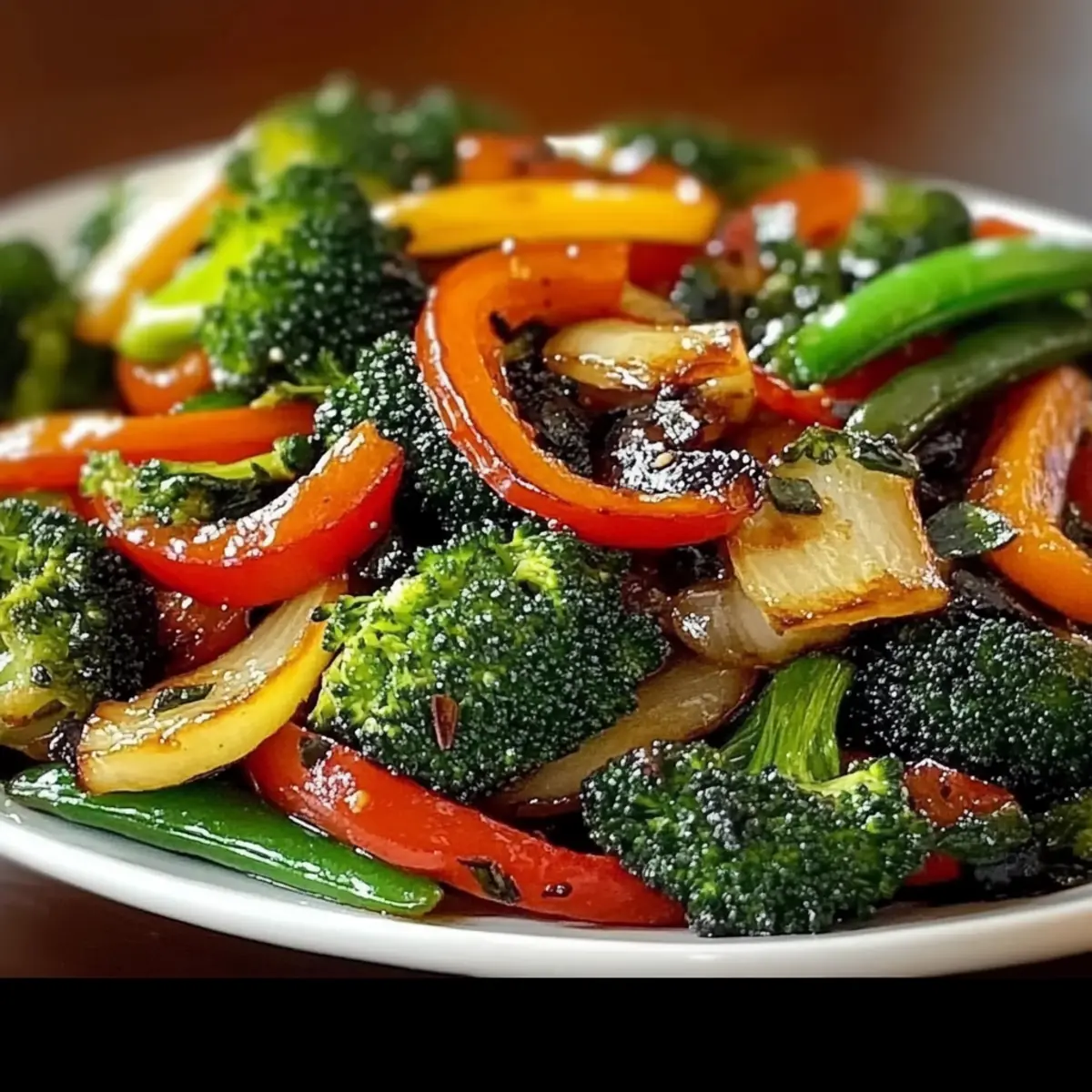
How to Store and Freeze Healthy Sautéed Vegetables
Fridge: Store any leftovers in an airtight container in the refrigerator for up to 3 days. This makes it easy to enjoy your healthy sautéed vegetables throughout the week!
Freezer: If freezing, let your sautéed vegetables cool completely before placing them in a freezer-safe bag or container. They will maintain their best quality for up to 2 months.
Reheating: For the best texture, reheat sautéed vegetables in a skillet with a splash of water or broth over medium heat until warmed through. Avoid microwaving as it can make them soggy.
Healthy Sautéed Vegetables Variations
Feel free to put your personal spin on these healthy sautéed vegetables and create a dish that’s uniquely yours!
-
Seasonal Swap: Substitute any favorite vegetables like asparagus in spring or butternut squash in fall for a seasonal twist.
Seasonal vegetables not only ensure freshness but also introduce exciting flavors that keep the dish vibrant year-round! -
Dairy-Free Delight: For a dairy-free option, omit parmesan and use a sprinkle of nutritional yeast instead for added umami.
Nutritional yeast not only gives a cheesy essence but also boosts the vitamin content, making your dish even more nutritious. -
Protein Power-Up: Mix in cooked proteins like chicken, shrimp, or crispy tofu for a heartier meal.
Adding protein transforms these sautéed veggies into a complete dish, perfect for a satisfying lunch or dinner. -
Spicy Kick: Add a pinch of red pepper flakes or a splash of hot sauce for an extra layer of heat.
Adjust the heat level to your liking: just a touch for a gentle warmth, or a little more for a spicy bite that ignites the flavors! -
Herb Infusion: Experiment with fresh herbs like basil, cilantro, or thyme to introduce unique flavors.
A hint of fresh herbs can elevate your sautéed vegetables, bringing out the essence of each ingredient beautifully. -
Grain Medley: Toss in some cooked quinoa or brown rice for a nourishing grain-based side dish.
Combining your sautéed veggies with grains not only provides additional texture but also turns this into a wholesome meal. -
Nutty Crunch: Top your dish with a handful of toasted almonds, walnuts, or sunflower seeds for a delightful crunch.
The added texture from nuts or seeds creates a satisfying bite, enhancing the overall eating experience. -
Citrus Burst: A squeeze of fresh lemon or lime juice right before serving brightens the flavors immensely.
Citrus not only perks up the taste but also adds a refreshing zing, making your healthy sautéed vegetables even more delightful.
With these variations, your sautéed vegetables can become a unique masterpiece each time you prepare them! If you’re exploring different side dish ideas, check out our Simple Side Dishes for additional inspiration.
What to Serve with Quick & Flavorful Healthy Sautéed Vegetables
Elevate your meal with delicious sides that perfectly complement this vibrant vegetable dish.
- Grilled Chicken: Juicy, smoky flavors enhance the freshness of sautéed vegetables while adding protein to your plate.
- Quinoa Salad: This light, nutty grain adds a delightful texture and nutrition boost, making for a hearty pairing.
- Couscous: Fluffy and subtly flavored, it absorbs any juices from the sautéed veggies, creating a harmonious bite.
- Roasted Sweet Potatoes: Their natural sweetness contrasts beautifully with the savory sauté, adding layers to your meal.
- Garlic Bread: Crispy and buttery, this side provides a perfect vehicle for savoring those vibrant vegetable flavors.
- Herbed Rice: Add herbs to fluffy rice for a fragrant base that complements the vegetables without overshadowing them.
- Lemon-Dill Fish: The zesty notes of lemon paired with dill-infused fish brings bright flavors that lift the dish.
- Fresh Garden Salad: A refreshing mix of greens and tomatoes adds a contrasting crunch, perfect for a wholesome experience.
- Red Wine: A smooth red wine nicely balances the dish’s flavors, enhancing the overall dining experience.
- Chocolate Mousse: End your meal on a sweet note with a rich, creamy dessert that contrasts the savory sauté perfectly.
Make Ahead Options
These Healthy Sautéed Vegetables are perfect for meal prep enthusiasts! You can chop your vegetables—such as bell peppers, zucchini, broccoli, and carrots—up to 24 hours in advance, storing them in an airtight container in the refrigerator to maintain freshness. For the best texture, slightly undercook them when sautéing, leaving them crisp-tender, which prevents mushiness upon reheating. When you’re ready to serve, simply heat a skillet over medium-high heat, add a splash of olive oil, and sauté the prepped veggies for about 5-7 minutes, seasoning as desired. This way, you’ll have a delicious side dish ready to elevate any meal, with minimal effort on busy weeknights!
Expert Tips for Healthy Sautéed Vegetables
-
Uniform Cutting: Ensure all vegetable pieces are cut into similar sizes for even cooking. This prevents some from becoming overcooked while others remain raw.
-
Pan Space: Avoid overcrowding the skillet, as it can lead to steaming instead of sautéing. Cook in batches if necessary for the best results.
-
Freshness Matters: Use the freshest seasonal vegetables available to maximize flavor and nutrition in your healthy sautéed vegetables.
-
Texture Check: For optimal crunch, slightly undercook the vegetables, as they will continue to cook even after being removed from heat.
-
Flavor Boost: Don’t hesitate to experiment with optional flavorings like fresh herbs or a splash of balsamic vinegar for added depth in your dish.
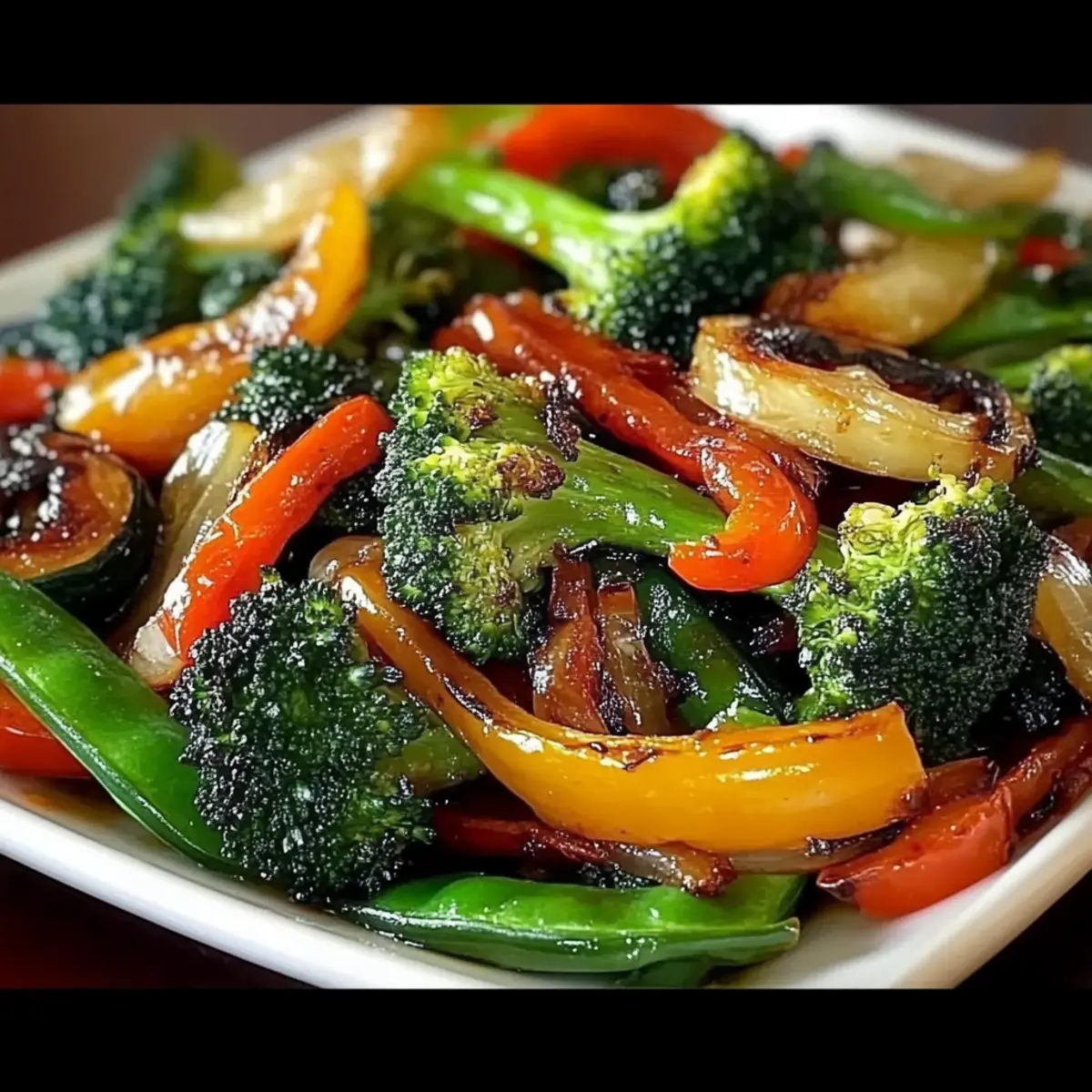
Healthy Sautéed Vegetables Recipe FAQs
What vegetables are best for sautéing?
Absolutely! Seasonal vegetables like zucchini, bell peppers, broccoli, and snap peas are perfect for sautéing. Choose fresh, vibrant produce without dark spots or wilting. If it’s the right season, you may also experiment with other favorites like asparagus or green beans for added variety.
How do I store leftover sautéed vegetables?
Very simple! Store any leftovers in an airtight container in your refrigerator for up to 3 days. It’s best to let them cool down to room temperature before sealing them up. This helps maintain their crispness for your next meal.
Can I freeze sautéed vegetables?
Of course! To freeze your Healthy Sautéed Vegetables, allow them to cool completely first. Then, transfer them to a freezer-safe bag or container, ensuring as much air as possible is removed. They can retain their quality for up to 2 months. When you’re ready to enjoy them again, simply reheat in a skillet for the best texture.
What should I do if my vegetables are soggy?
If your sautéed vegetables end up soggy, it’s often because of overcrowding the pan, which can lead to steaming rather than sautéing. Next time, sauté in smaller batches and remember to cut the pieces uniformly for even cooking. If they’ve already been cooked, try quickly reheating them in a hot skillet with a splash of water to help regain some texture.
Can pets eat sautéed vegetables?
Certainly, many vegetables are safe for pets in moderation. However, avoid adding seasonings like salt or garlic when preparing for them, as these can be harmful. Carrots, green beans, and zucchini are often great choices, but always consult your vet regarding specific dietary needs.
Are there any allergens in this recipe?
This Healthy Sautéed Vegetables recipe is quite versatile and free from common allergens, but always consider personal dietary restrictions. For example, those with nut allergies should skip the optional toppings like toasted nuts, and be cautious with soy sauce if gluten is a concern. Always read labels carefully!
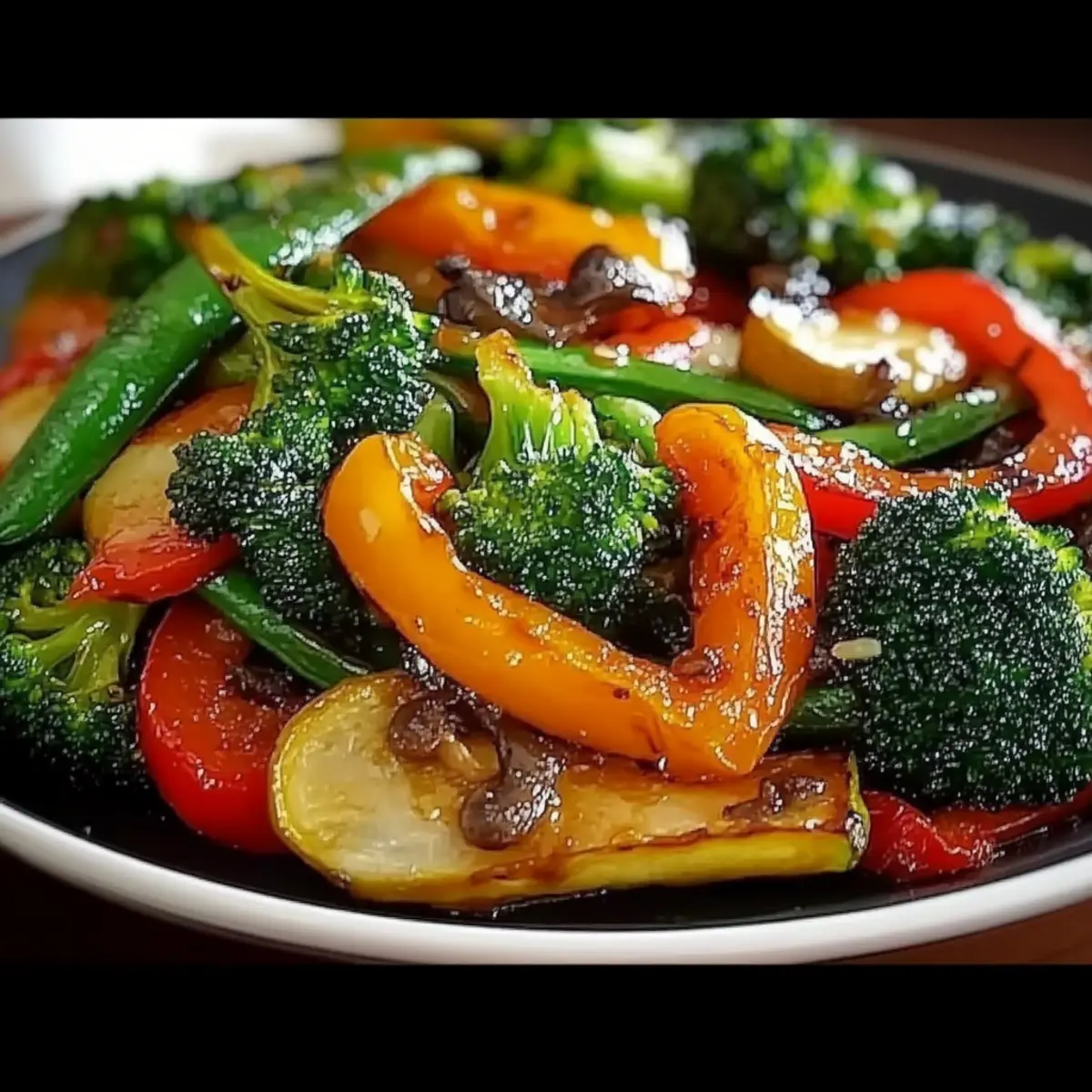
Colorful Healthy Sautéed Vegetables for a Flavorful Boost
Ingredients
Equipment
Method
- Step 1: Prep Vegetables - Wash all vegetables; peel carrot if needed and cut into uniform pieces; mince garlic.
- Step 2: Heat Skillet - Heat 2 tablespoons of olive oil in a skillet over medium-high until shimmering.
- Step 3: Sauté Aromatics - Add garlic and onion; sauté for 1-2 minutes until onion is translucent and garlic is fragrant.
- Step 4: Add Hard Vegetables - Stir in carrots and broccoli; cook for 3-4 minutes, stirring frequently.
- Step 5: Incorporate Remaining Veggies - Add bell pepper, zucchini, snap peas, and mushrooms; sauté for an additional 4-5 minutes.
- Step 6: Season & Serve - Season with salt, pepper, and any desired flavorings; serve immediately.
Leave a Reply