
As the rich aroma of coconut fills my kitchen, I can’t help but feel transported to a sun-drenched coast of Portugal. This Moist Portuguese Coconut Cake is more than just a dessert; it’s a heartfelt invitation to savor life’s sweet moments. With its fluffy texture and inviting coconut flavor, this cake makes the perfect centerpiece for any gathering—from laid-back tea afternoons to festive celebrations. Plus, it’s not just easy to whip up; it offers delightful variations like gluten-free and dairy-free options that cater to everyone’s tastes. Ready to create a memory wrapped in every bite? Let’s dive into this deliciously simple recipe that’s bound to become a cherished favorite.
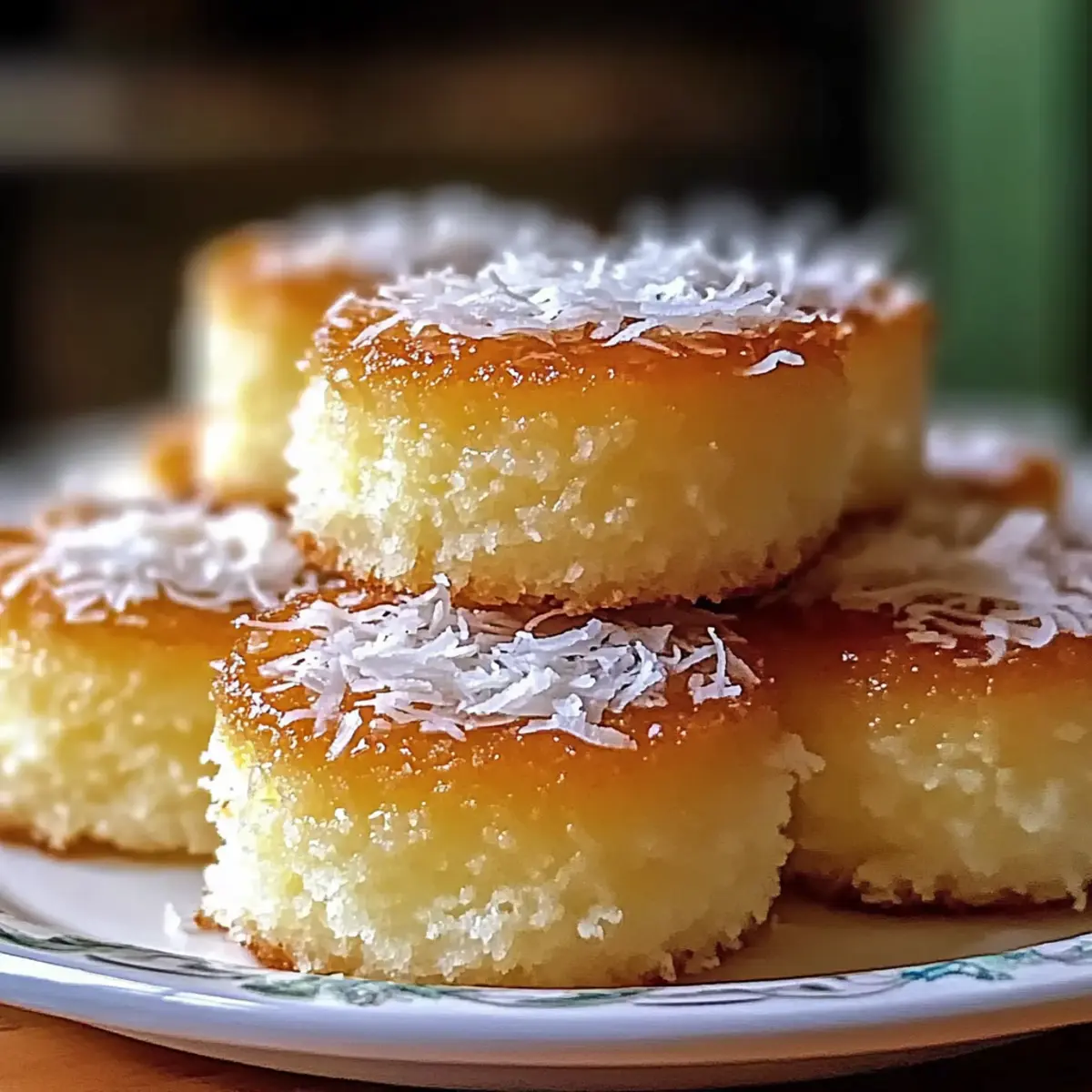
Why is this coconut cake so special?
Fluffy Texture: Each bite of this cake transports you to a tropical paradise, with a lightness that melts in your mouth.
Rich Coconut Flavor: The subtle sweetness and deep coconut essence make this dessert unforgettable, perfect for coconut lovers.
Versatile Variations: With gluten-free and dairy-free substitutions, you can easily adapt this recipe to suit any dietary need. Consider a twist of citrus or chocolate for a unique flair!
Time-Saving: Quick to prepare and bake, this cake is ideal for surprise guests or last-minute gatherings.
Crowd-Pleasing Delight: It’s a treat that everyone will love, making it the perfect addition to your next party. For more tempting ideas, check out my Moist Blueberry Zucchini and Cider Pound Cake recipes!
Moist Portuguese Coconut Cake Ingredients
• Get ready to satisfy your sweet tooth with these delightful ingredients!
For the Cake Batter
- All-Purpose Flour – Provides structure to the cake; use cake flour for a lighter texture.
- Sugar – Adds sweetness; coconut sugar can deepen the flavor.
- Baking Powder – Helps the cake rise; fresh baking powder ensures the best results.
- Large Eggs – Acts as a binding agent for richness; room temperature eggs mix better.
- Coconut Milk – Adds moisture and coconut flavor; almond milk is a lighter alternative.
- Desiccated Coconut – Enhances the coconut flavor and gives texture; flaked coconut offers a different bite.
- Vanilla Extract – Boosts flavor; always use pure vanilla extract for the best taste.
- Whipped Egg Whites – Incorporates air for a fluffy batter; fold gently for optimal results.
- Additional Coconut Milk – Essential for soaking the cake, ensuring it remains moist and flavorful.
For Serving Suggestions
- Fresh Berries – Adds a burst of color and acidity to balance the sweetness.
- Whipped Cream – Light and airy texture complements the cake beautifully.
- Coconut Ice Cream – A creamy pairing that enhances the coconut theme.
- Dark Chocolate Drizzle – A touch of richness that elevates the flavors.
With these ingredients in hand, you’re all set to create an unforgettable Moist Portuguese Coconut Cake that will surely impress your family and friends!
Step‑by‑Step Instructions for Moist Portuguese Coconut Cakes
Step 1: Preheat the Oven
Begin by preheating your oven to 350°F (175°C). While it heats up, grease a square baking pan with a touch of butter or non-stick spray to ensure your moist Portuguese coconut cake releases easily after baking. This initial step is crucial, as a properly preheated oven ensures even baking and a beautifully risen cake.
Step 2: Combine Dry Ingredients
In a large mixing bowl, whisk together the all-purpose flour, sugar, and baking powder until well combined. Look for a fluffy texture and a light, airy mix. This blend forms the foundation of your cake batter, so ensure there are no clumps. Set the bowl aside to prepare for the wet ingredients.
Step 3: Whisk Wet Ingredients
In a separate bowl, thoroughly whisk the large eggs, coconut milk, and vanilla extract until smooth and creamy. Using room-temperature eggs helps with better emulsification and texture. You’ll want to see a cohesive mixture that holds a bit of shine and is free from lumps, making for a deliciously moist Portuguese coconut cake.
Step 4: Mix Wet and Dry Ingredients
Gradually pour the wet mixture into the bowl of dry ingredients, stirring gently to combine. Be cautious not to overmix; a few lumps are perfectly fine! This will ensure that your cake remains light and fluffy. The blend of flavors and textures will start to come together, creating a tempting batter.
Step 5: Fold in Coconut and Egg Whites
Now, carefully fold in the desiccated coconut and whipped egg whites into the batter. Gently incorporate these ingredients to maintain the airiness of the whipped egg whites. The addition of coconut not only enhances the flavor but also contributes to that signature moistness in your Portuguese coconut cake.
Step 6: Pour and Bake
Pour the cake batter into your prepared pan, spreading it evenly with a spatula. Bake in the preheated oven for about 30-35 minutes. Look for a golden-brown top and a toothpick inserted into the center that comes out clean. The cake should spring back when lightly pressed, indicating it’s perfectly baked.
Step 7: Soak for Moisture
Once baked, allow the cake to cool slightly in the pan. Then, generously soak the surface with additional coconut milk to enhance its moisture. This step is essential to ensure your moist Portuguese coconut cake is deliciously tender and infused with rich coconut flavor throughout.
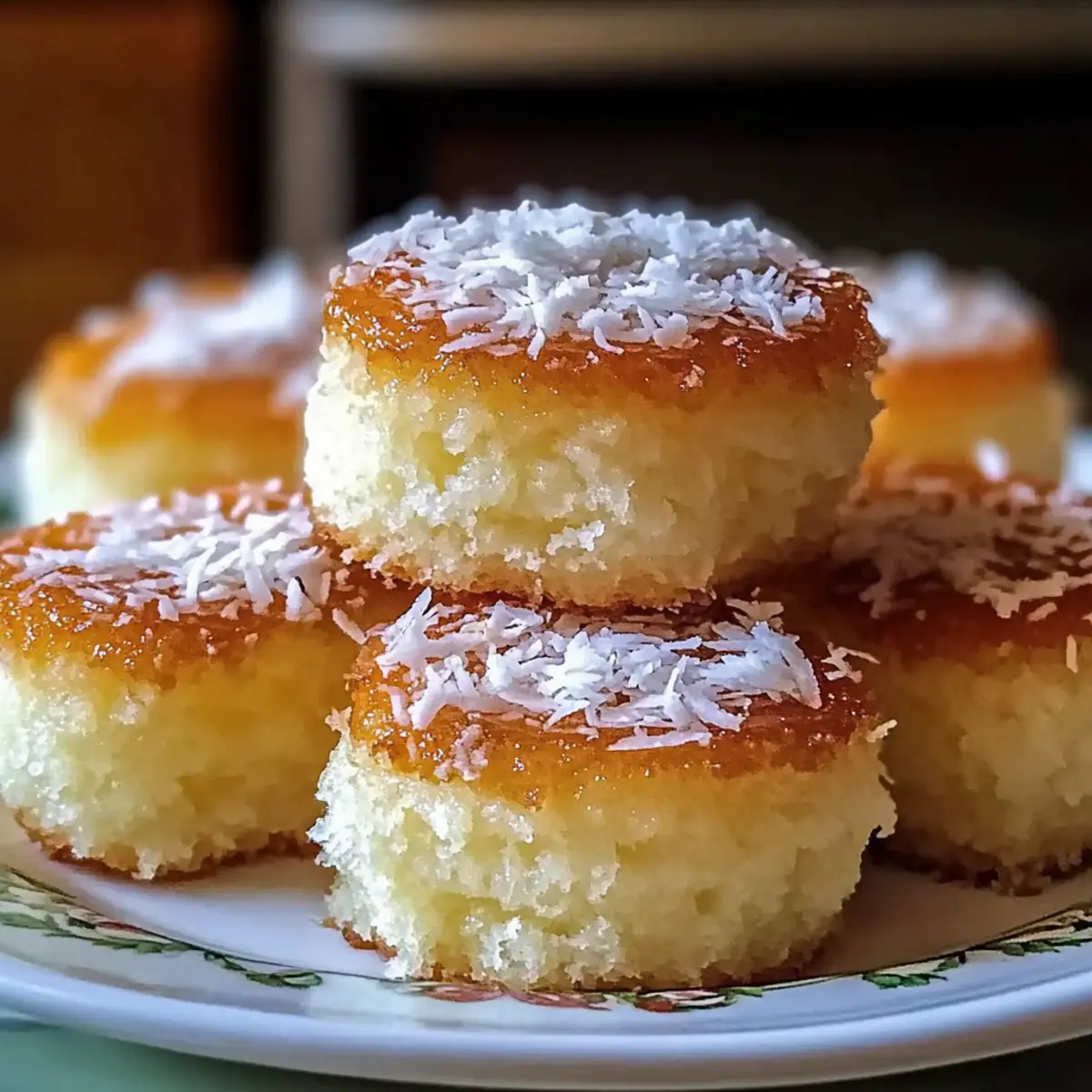
Moist Portuguese Coconut Cake Variations
Feel free to add your own twist to these delightful coconut cakes—they’re just waiting for your personal touch!
-
Gluten-Free: Use a 1:1 gluten-free flour blend instead of all-purpose flour for a cake everyone can enjoy. Just keep in mind that the texture may be slightly different, but still deliciously moist!
-
Dairy-Free: Swap coconut milk with coconut yogurt to maintain the creaminess while keeping it dairy-free. This is a great option for those avoiding dairy but wanting that rich flavor.
-
Citrus Zest: Brighten things up by adding lemon or orange zest. This addition not only freshens the flavor but also infuses each bite with a fragrant citrus aroma.
-
Chocolate Lovers: Indulge your sweet tooth by swirling melted dark chocolate into the batter or substituting cocoa powder for some flour. This variation creates a decadent treat for chocolate enthusiasts!
-
Tropical Twist: Add chunks of fresh pineapple to the batter or use them as a topping. This will take your cake to a whole new level of tropical paradise—you’ll feel like you’re on a beach vacation with every slice.
-
Nutty Variation: Fold in chopped nuts like pecans or walnuts for delightful texture. The crunch complements the soft cake beautifully, offering a contrast that your taste buds will adore.
-
Spicy Kick: Add a sprinkle of cinnamon or nutmeg for warmth. These spices will offer subtle earthy notes that elevate the overall flavor profile of your cake.
For more delicious variations, you might also enjoy trying my Moist Chocolate Chip or experiencing the delightful taste of Caribbean Coconut Curry!
Expert Tips for Moist Portuguese Coconut Cakes
• Room Temperature Eggs: Start with eggs at room temperature for better mixing and a smoother batter; this enhances the cake’s overall texture.
• Gentle Mixing: When combining wet and dry ingredients, stir gently. Overmixing can lead to a dense cake, so a few lumps are okay and ensure light, fluffy moist Portuguese coconut cakes.
• Check for Doneness: Use a toothpick to test for doneness after 30 minutes of baking. The cake should spring back to touch and the toothpick should come out clean to avoid underbaking.
• Soaking Technique: Don’t skip the coconut milk soak after baking! This step reintroduces moisture, keeping your cake irresistibly tender and flavorful.
• Flavor Variations: Experiment with variations like citrus zest or chocolate for an exciting twist, offering something special that everyone can enjoy.
Make Ahead Options
Making this Moist Portuguese Coconut Cake ahead is a fantastic way to save time for busy weeknights. You can prepare the dry ingredients (flour, sugar, and baking powder) up to 3 days in advance. Just store them in an airtight container to maintain freshness. The batter can also be mixed and refrigerated for up to 24 hours; this helps the flavors meld beautifully! When you’re ready to bake, simply pour the batter into the prepared pan and bake it as instructed. To preserve the cake’s delightful moisture, soak it with additional coconut milk right after baking, ensuring it remains just as delicious when served.
Storage Tips for Moist Portuguese Coconut Cake
Room Temperature: Store the cake in an airtight container at room temperature for up to 3 days to maintain its moistness.
Fridge: If you need to keep it longer, refrigerate the cake for up to a week; just be sure to wrap it properly to prevent drying out.
Freezer: For extended storage, wrap the cake tightly and freeze for up to 3 months. Thaw in the fridge overnight before serving.
Reheating: If you prefer warm cake, reheating individual slices in the microwave for about 10-15 seconds works perfectly, enhancing the dreamy textures of the moist Portuguese coconut cake.
What to Serve with Moist Portuguese Coconut Cake
Indulging in a slice of this delightful cake is wonderful, but pairing it with the right accompaniments can elevate your dessert experience to new heights.
-
Fresh Berries: Their tartness balances the cake’s sweetness, adding a refreshing burst to every bite.
-
Whipped Cream: Light and airy, this classic topping complements the moistness of the cake, enhancing its richness and flavor.
-
Coconut Ice Cream: A creamy addition that deepens the coconut notes, it creates a tropical delight with each mouthful.
-
Dark Chocolate Drizzle: Adding a touch of richness, this drizzle brings a decadent contrast that beautifully complements the flavors in the cake.
-
Mint Leaves: Garnish with fresh mint for a pop of color and a refreshing herbal note that brightens the dessert.
-
Almond Milk Latte: Enjoying a warm latte alongside this cake not only complements the coconut flavor but also adds a cozy cafe vibe to your dessert experience.
-
Pineapple Salsa: For a tropical twist, this salsa introduces bright flavors that pair surprisingly well, making each bite an adventure.
-
Espresso: A cup of bold espresso enhances the sweetness of the cake while providing a satisfying and rich finish to your meal.
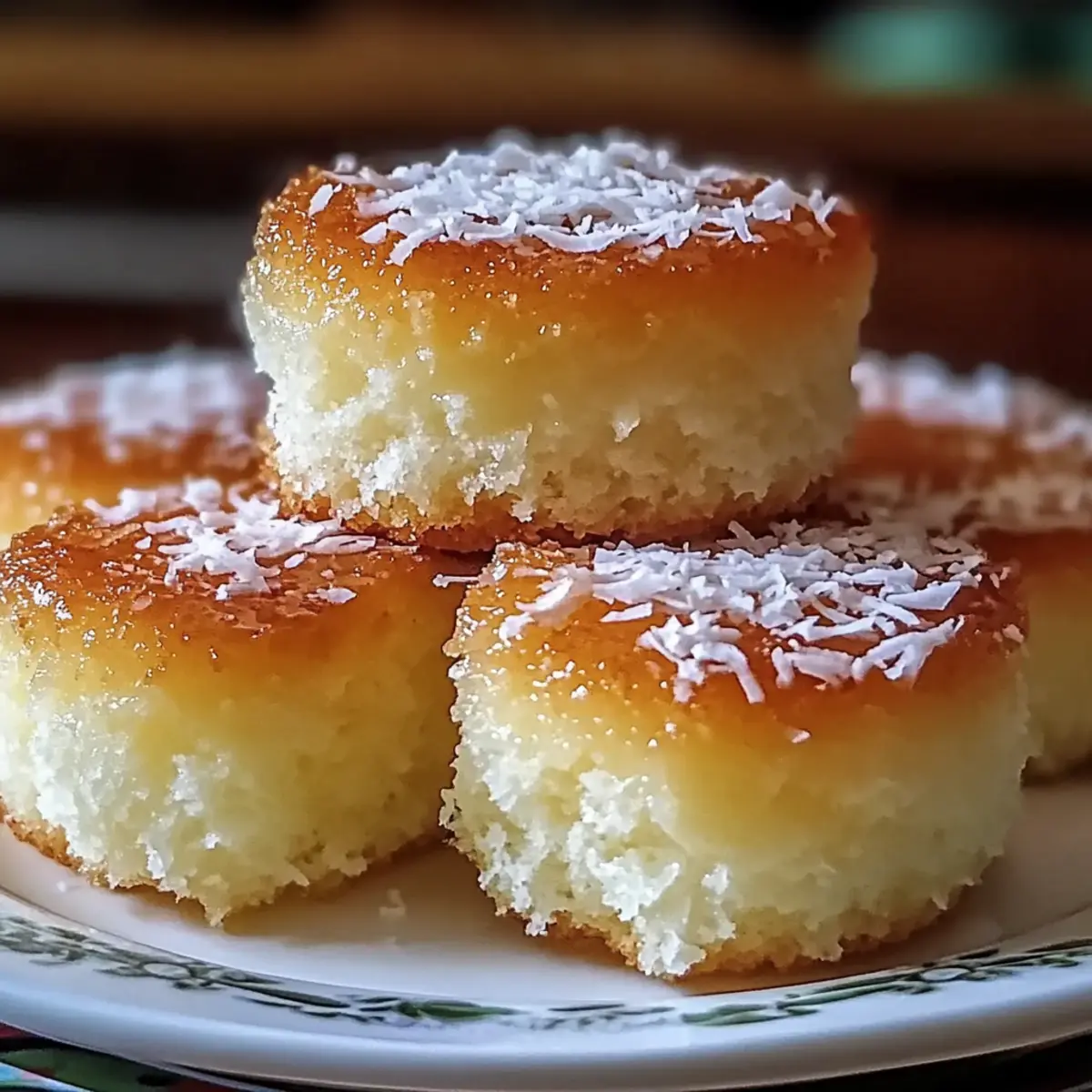
Moist Portuguese Coconut Cake Recipe FAQs
How do I select the best coconut for my cake?
Absolutely! When picking coconut, look for finely shredded or desiccated coconut that’s free from dark spots or a burnt smell. If you use fresh coconut, ensure it’s mature rather than young, as mature coconut offers a richer flavor. I often recommend opting for unsweetened options to control the sweetness of your cake.
What’s the best way to store my leftover cake?
Very easy! To keep your moist Portuguese Coconut Cake fresh, store it in an airtight container at room temperature for up to 3 days. If you want to keep it longer, refrigerate it for up to a week—just be sure to wrap it well to maintain moisture.
Can I freeze this cake?
Of course! To freeze your moist Portuguese Coconut Cake, wrap it tightly in plastic wrap and then in foil to prevent freezer burn. It can be stored for up to 3 months. When you’re ready to enjoy it, thaw it overnight in the refrigerator. For a warm treat, reheat individual slices in the microwave for about 10-15 seconds.
My cake turned out dry; what went wrong?
Sometimes this happens, but don’t worry! If your cake ends up dry, it could be due to overbaking or not soaking it enough with coconut milk after baking. To fix it, you can still soak slices with additional coconut milk or create a simple syrup (equal parts sugar and water) to drizzle over top, which will infuse moisture.
Are there any dietary considerations I should be aware of?
Absolutely, it’s important to cater to everyone! This moist Portuguese Coconut Cake can easily be made gluten-free by using a 1:1 gluten-free flour blend instead of all-purpose flour. For dairy-free options, substitute coconut milk for almond milk or coconut yogurt. Just be mindful of allergies, especially concerning coconut, eggs, and gluten.
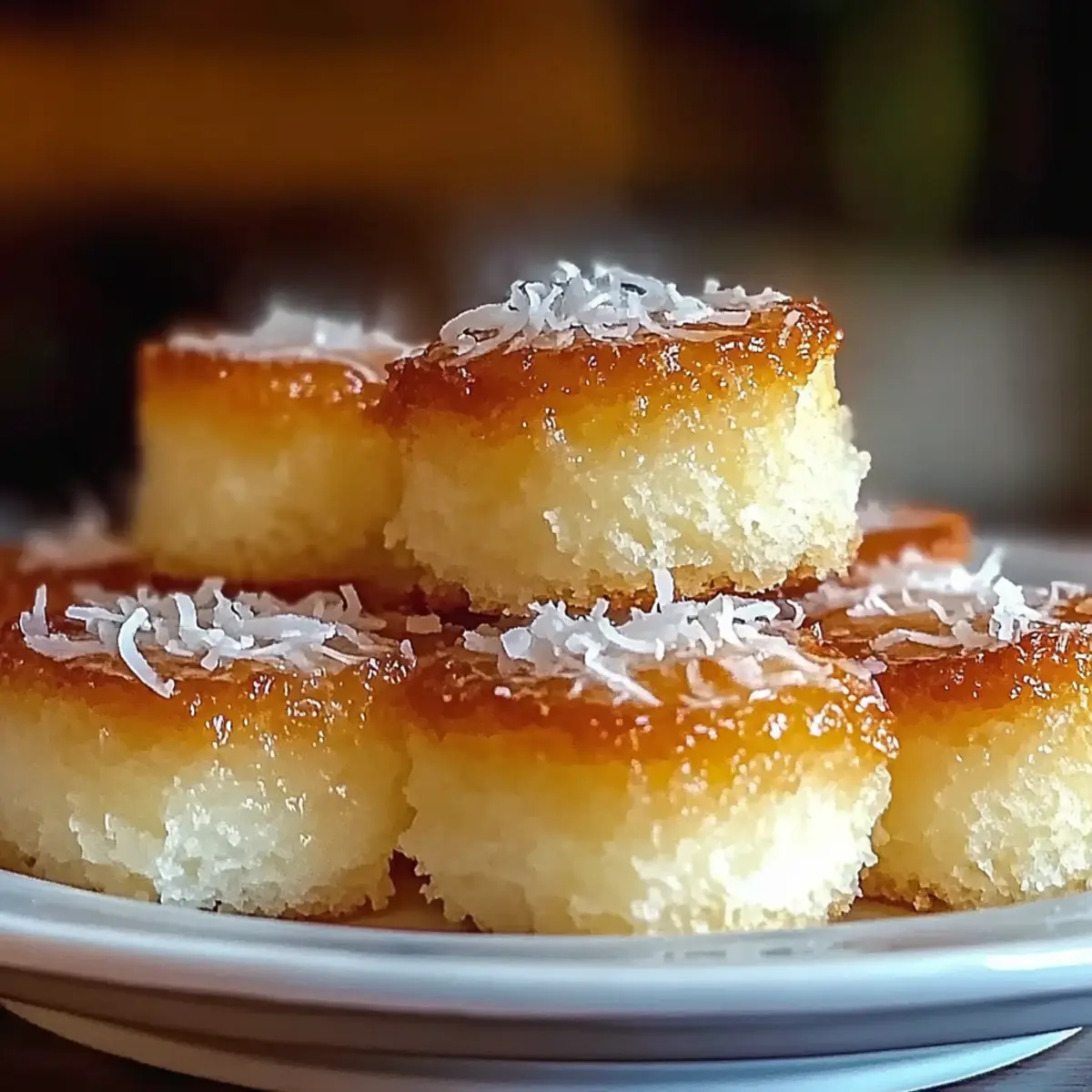
Melt-in-Your-Mouth Moist Portuguese Coconut Cakes
Ingredients
Equipment
Method
- Preheat your oven to 350°F (175°C) and grease a square baking pan.
- In a large mixing bowl, whisk together the all-purpose flour, sugar, and baking powder until well combined.
- In a separate bowl, whisk the eggs, coconut milk, and vanilla extract until smooth and creamy.
- Gradually pour the wet mixture into the dry ingredients, stirring gently to combine.
- Fold in the desiccated coconut and whipped egg whites carefully.
- Pour the batter into the prepared pan and bake for 30-35 minutes or until golden brown.
- Allow the cake to cool slightly, then soak the surface with additional coconut milk.
Leave a Reply